
Electoral law: preferential votes, off-site voting and the collection of signatures – the final hurdles before the vote in the Chamber
The vote, scheduled for between 7 and 9 July, will see the centre-right and centre-left debate amendments and preferences, whilst they seek an agreement on the Tuscan model and the voting arrangements for those living away from their constituency

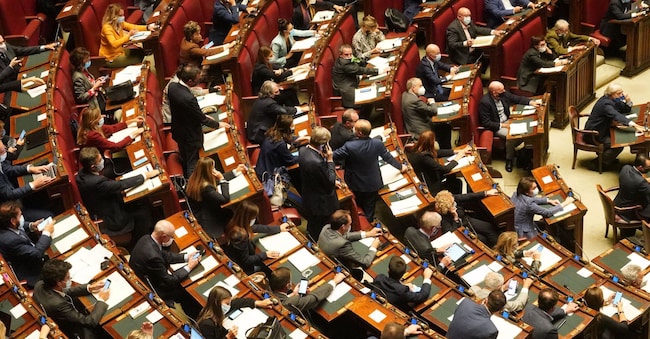
It will, almost certainly, be the last parliamentary battle before the summer recess. The centre-right and centre-left are preparing their strategies ahead of the vote in the Chamber of Deputies on the electoral law. The dates to mark on the calendar are 7 to 9 July, when – likely including a couple of night-time sessions – the reform will be put to a vote and, within the constraints of the time limits, the opposition will try to block the bill as much as possible. It will, after all, be one of the last opportunities to try to amend the text, which will then go to the Senate for a guaranteed green light as soon as Parliament resumes, if not before the end of the summer.
Preferences node
The centre-left, therefore, is gearing up with a barrage of amendments, preliminary motions and speeches. Meanwhile, the centre-right is trying to find a unified approach to the final issues still up for debate, first and foremost the preferential voting system. This will take place at a meeting of the sherpas to be held in the middle of next week, but more than a few people do not rule out the possibility that, to break the deadlock, a discussion between leaders may be needed – something that is not currently on the agenda. Today, on the first deadline for amendments in the Chamber, the majority is expected to submit only a few minor technical tweaks, but work continues on possible solutions regarding preferential votes, particularly as the Prime Minister is reportedly unwilling at present to back down on her stance.
The models
Discussions are therefore continuing, and one of the options on the table is the Tuscan model, featuring a fixed lead candidate and preferences to be expressed by ticking a box next to a list of names already indicated on the ballot paper. However, FdI’s allies remain sceptical about this option. Work is also underway on the voting arrangements for non-residents, despite some technical reservations on the part of the Ministry of the Interior. One of the options reportedly under consideration could be to count the votes of non-residents for the constituency in which they are cast.
The opposition
Meanwhile, by the first deadline for amendments, the opposition parties are expected to table between 250 and 300 amendments, which will then, however, be reduced through the ‘signalati’ mechanism. “We will resubmit what the right-wing parties cut out in committee,” emphasises Filiberto Zaratti of Avs. There will also be at least three similar preliminary constitutionality motions (from the PD, M5S and Avs), split up to make the best use of the debate time. Among the proposed amendments will also be a small package from the Vannacciani group, which includes a proposal to remove the exemption from signature collection introduced in committee for those parties – such as Azione – that have had a parliamentary group in one of the two Houses since at least 2025. This amendment also affects Noi Moderati and IV, as it only exempts those who have had a group since the start of the parliamentary term and which was not formed through exemptions or ‘loans’.
The amendment tabled by Noi Moderati
Among the proposed amendments announced, there should also be one from Noi Moderati concerning preferential votes. “We will table an amendment to give voters back the chance to choose,” says Maurizio Lupi. But opposition from allies, first and foremost the Lega, remains strong. This opposition was also reiterated by Matteo Salvini . “I have always been elected on the basis of preferential votes,” the Lega leader begins, but “in the old days, election campaigns were run using mimeographed leaflets tucked under windscreen wipers”. In his view, introducing preferential votes could now instead favour those who can afford an election campaign, meaning that “if you have millions to spend, you can reach everyone’s homes”.

