
Electric and hybrid vehicles for business use: the new fleet-sized models
Zero-emission and plug-in cars are gaining ground in the long-term hire sector. Among the new models on offer, the battery-powered Mercedes C-Class and the small cars from Škoda and Leapmotor stand out

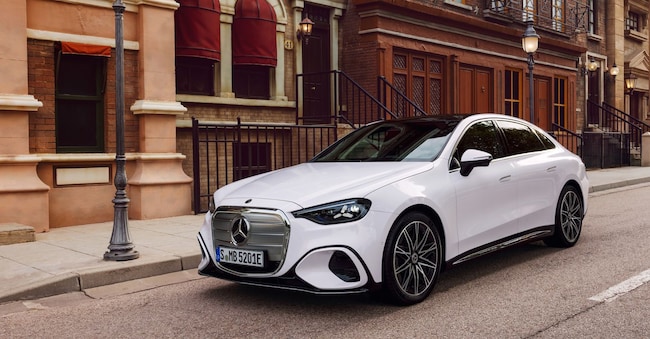
Moving beyond the concept of engine type, choosing a car for the performance it offers rather than the type of fuel it runs on. After years in which electric cars were often seen as a real burden when choosing a company car – due to ranges that fell short of actual needs and a charging network nowhere near as extensive as that of petrol stations – the situation is now changing month by month. For whilst, on the one hand, electric cars are often a requirement linked to employee benefits but, above all, to corporate decarbonisation plans – particularly amongst multinationals – on the other hand, the range of models capable of holding their own against internal combustion engines is growing month by month. One example is the electric Mercedes C-Class, which, in the C 400 4Matic version, combines two motors delivering 360 kW with a 94 kWh net battery. The claimed range reaches 762 kilometres in the WLTP cycle, whilst the 800-volt architecture allows for charging at up to 330 kW DC and regaining 325 kilometres of range in ten minutes.
In the compact car segment, the third generation of the Nissan Leaf has adopted a new design and become a crossover. The batteries come in 52 and 75 kWh capacities, paired with 130 and 160 kW motors respectively. The higher-capacity version claims a range of up to 622 kilometres (WLTP) and supports 150 kW DC charging, allowing it to regain up to 420 kilometres of range in half an hour.
The Leapmotor B05, on the other hand, focuses on the balance between features and price. This compact Chinese rear-wheel-drive car is powered by a 160 kW motor and is available with 56.2 or 67.1 kWh battery packs, offering ranges of 401 and 482 kilometres respectively. It supports fast charging up to 174 kW, allowing the battery to go from 30 per cent to 80 per cent in 17 minutes.
The Skoda Epiq is a more urban model: an SUV just over four metres long, based on the MEB+ platform. Power outputs range from 85 to 155 kW, the batteries have gross capacities of 38.5 and 55 kWh, and the maximum range is 440 kilometres. Fast charging at a charging point allows the battery to go from 10 per cent to 80 per cent in 24 minutes. The Volkswagen ID.Cross, the German brand’s first zero-emission compact SUV, shares the same platform and powertrains.
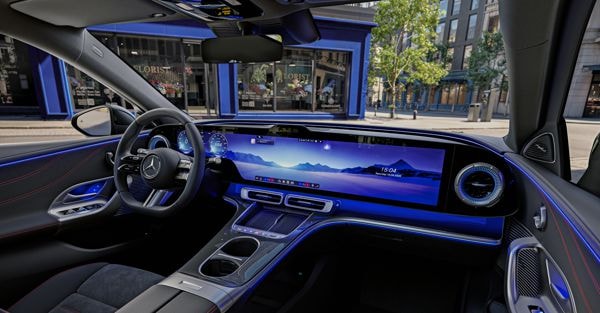
The Renault Megane E-Tech Electric has also been updated; the facelift introduces a 67 kWh LFP battery, a 160 kW motor and a range of up to 500 kilometres. The time taken to charge from 15% to 80% has been reduced to 24 minutes, whilst the on-board charger remains at 11 kW, with a 22 kW charger available as an option.

