
Electric cars down in Europe. Tesla and Vw lose ground. Bmw and Chinese brands grow
New car registrations in Europe grew more than battery vehicles in the first half of the year, according to statistics from the British Institute Jato Dynamics. SUVs, compacts, vans and sports cars the most popular car types

4' min read
Key points
4' min read
New car registrations in Europe recorded positive results for the first time since the beginning of 2024, while there are worrying signs of deceleration in those that had hitherto ensured growth such as electric cars, which are stuck at 13.8 per cent compared to 14.2 per cent in 2023. Data from the British statistical institute Jato Dynamics monitored in the 28 European countries showed that new car registrations increased by 4.4% from January to June 2024. Growth in Europe remains moderate and far from the levels seen pre-pandemic as the industry grapples with emissions regulations, rising prices and tariffs facing electric cars in the coming months.
Chinese record growth in first half 2024
In the first six months of 2024, registrations of electric cars of Chinese brands amounted to 70,000 units. This represents an increase of 26% compared to the first six months of 2023. Likewise, the market share of electric cars increased from 5.97% to 7.37% in the same period. Among all car groups, the figure of the Chinese brands was the third largest increase in market share, surpassed only by Volvo-Polestar (+ 2.9 points) and the BMW group (+ 2.2 points). The European Union's measures to impose tariffs on imports of electric cars from China accounted for 17 per cent of European registrations in the six-month period, excluding those imported by Tesla.
Electricity prices under scrutiny by EU measures
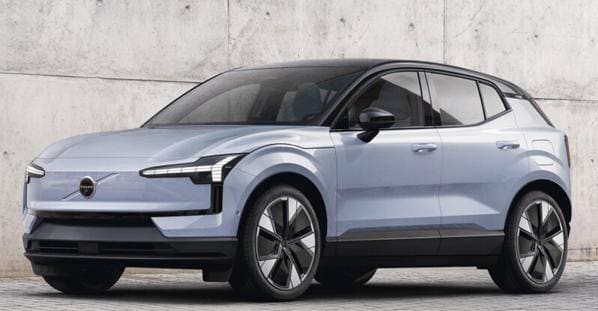
The Volvo EX30, made in China, was the third most registered electric car in Europe in the first half of 2024. The fourth most popular model was the MG4, also made in China. It is clear that China has played a significant role in driving market growth. Without the competitive pricing of models imported from China, consumers will face higher prices, which means we may see demand fall in the coming months.
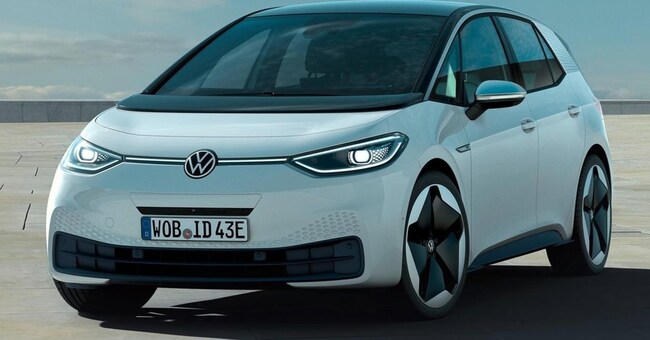
The complexity behind the sales of this type of model, the electrics, does not excite potential buyers, who remain wary of having to abandon their thermal cars.Volkswagen still leads in electric car sales In the first half of 2024, the European electric car market was led by the Volkswagen Group with 178,000 units. However, its volume was 14% lower than in the first half of 2023, due to a 24% drop by the Volkswagen brand and a 55% drop by Porsche. While the Volkswagen ID.3 and ID.4 have received updates, both have been on the market for almost five and four years.
In contrast, Bmw and the Chinese brands grew by almost 10 per cent Bmw compared to 7.5 per cent in H1 2023, thanks to models such as the iX1 and i4 and the introduction of the i5, Bmw's best-selling electric car, and the iX2, later joined by the Mini Countryman.

