
Electrified Formula 1 goes to Shanghai: when will Chinese manufacturers arrive?
The Shanghai event lays bare the contrast between an increasingly electrified Formula One and the absence of the Chinese giants that lead the global market. While Mercedes and Audi capitalise on the know-how gained in Formula E, the question remains as to when the Beijing giants will decide to translate their commercial leadership into a technological challenge in the Circus

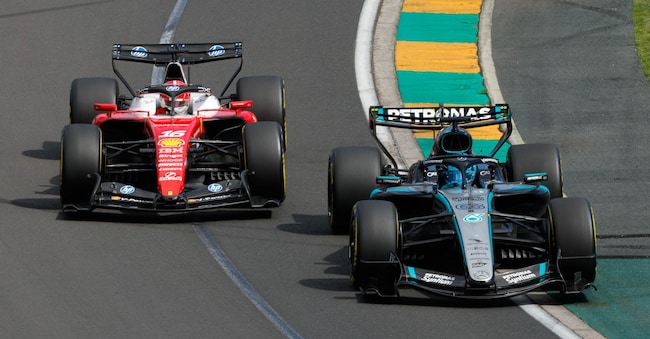
The 2026 Formula 1 season was born in the sign of Mercedes. The car manufacturer from Stuttgart scared the competition starting from qualifying where it placed its cars on the front row with a gap of almost a second over its rivals. In the race, things went differently, with a competitive Ferrari with both drivers, however, the result did not change: won by George Russell and second place for Kimi Antonelli.
The new highly electrified cars have attracted little approval from the fans and a barrage of criticism from the drivers. Of all of them, the most critical driver was Max Verstappen, who called them 'Formula E on steroids'. And perhaps the Formula E is the key to understanding this competitive advantage of Mercedes.
The Silver Arrows are the only manufacturer among the top teams to have participated and triumphed in the FIA's electric class. After winning both the drivers' and teams' championships in 2021 and 2022, the Mercedes-Benz EQ Formula E Team project was shelved, given the limited media return and the strict development stakes imposed by the category. However, the decision to reallocate those resources and electrical know-how to the new Formula 1 technical cycle is proving to be a shrewd strategic move.
Confirming the importance of the technology transfer is the performance of Audi, absolute debut in Formula 1 and immediately in the points. Audi's sporting DNA is historic and reads, in addition to thirteen victories at the 24 Hours of Le Mans, also a drivers' championship and a team championship in Formula E. The Ingolstadt company has a medium to long term plan and things are certainly off to a good start.
A Formula E 'on steroids'
The first step towards the hybridisation of Formula 1 engines dates back to 2009 with the introduction of KERS, a device that allowed the recovery of part of the kinetic energy during braking, transforming it into electrical energy that could be used during traction to optimise consumption. But the real technological turning point came with the 2014 regulations, when Formula 1 introduced hybrid power units.


