Books

Elfriede Jelinek: from a figure who brought shame upon her homeland to a beacon of Austrian culture

The Austrian author, who won the Nobel Prize in Literature in 2004 and turns 80 on 20 October, is still unpopular with many

4' min read

Translated by AI
Versione italiana

4' min read

Translated by AI
Versione italiana

His writings have centred on Jörg Haider, Jacqueline Kennedy-Onassis, Donald Trump, Hamas’s terror against Israel, the Palestinian victims of Israeli policy, the tragedy of migrants seeking a better life, and, before that, American torture at the Abu Ghraib detention centre, the trafficking of young women into prostitution, Nazi crimes and the victims of the Holocaust.
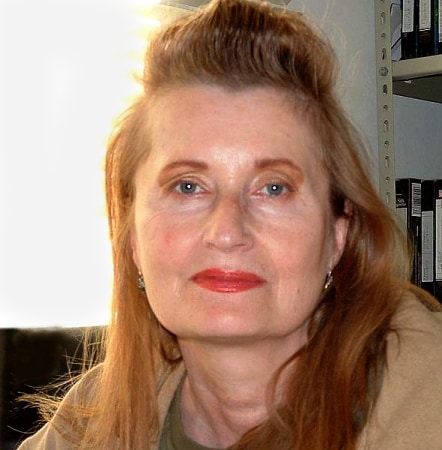
Elfriede Jelinek’s writings can be seen as a barometer of current socio-political and economic affairs, with roots that run deep into history. And it is precisely for this reason that the Austrian author – winner of the Nobel Prize for Literature in 2004 and who turns 80 on 20 October – is still unpopular with many.

Loading...

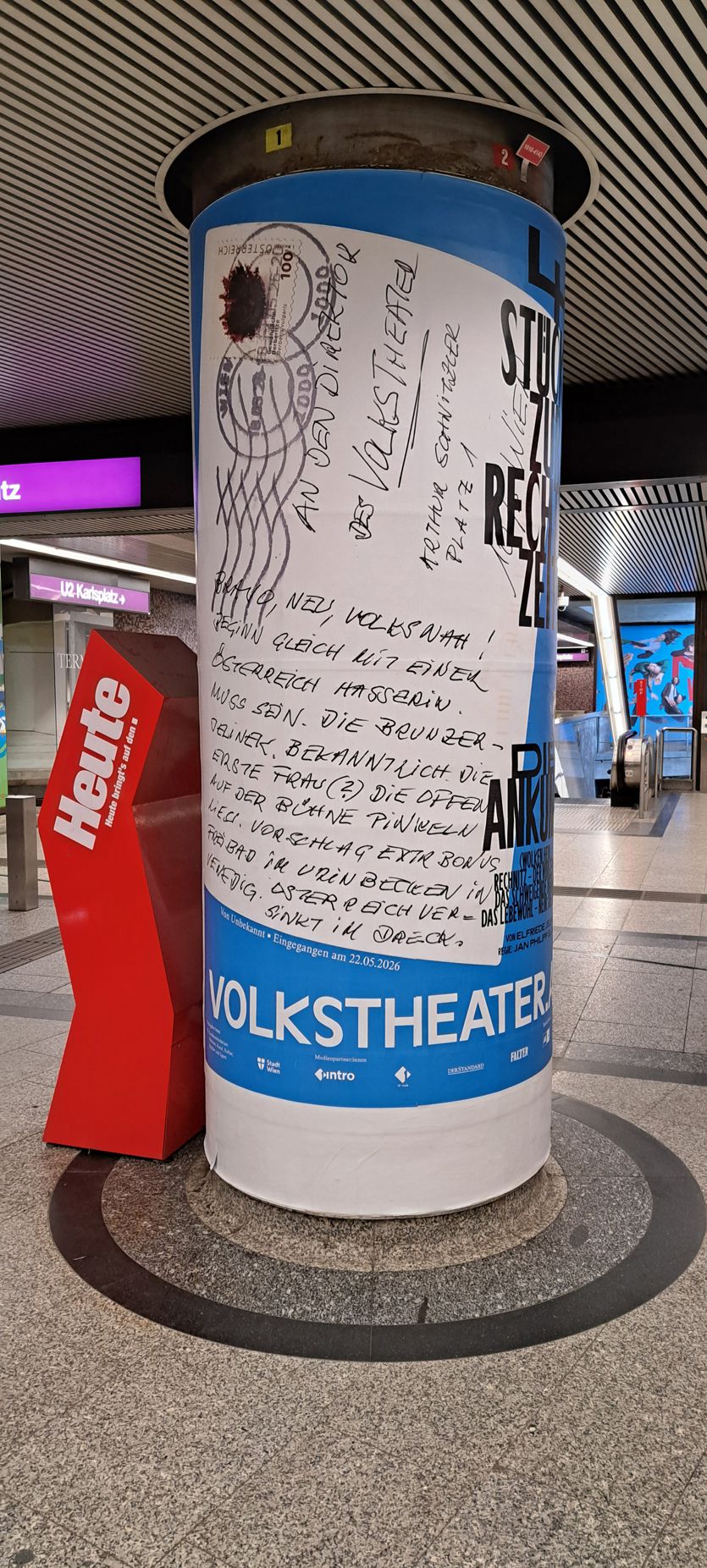
During rehearsals for the production that Philipp Gogler, director and stage director of the Volkstheater in Vienna, has recently adapted from four of his own plays under the title “Die Ankunft” (The Arrival), an unknown sender of a handwritten postcard – as if from a bygone era – attacked him for choosing to open the season with Jelinek, but above all railed against the author in crude terms, concluding that “Austria is sinking into the mud”. As was to be expected, the postcard was turned into a giant poster displayed on the capital’s major advertising hoardings, and was also highlighted by the media. An unexpected boost, but also and above all a demonstration that Jelinek still provokes.
He was also a thorn in the side of his colleague Thomas Bernhard, for whom a group of fierce detractors dumped a heap of manure outside the Burgtheater in 1988, on the occasion of the premiere of *Heroes’ Square*. And even before that, his novel *With an Axe* had led to him being sued for defamation in 1984.

Bernhard died in 1989 without having experienced, in his homeland, the shift in perspective that, in recent decades, has since established him as a novelist and playwright of the highest calibre.
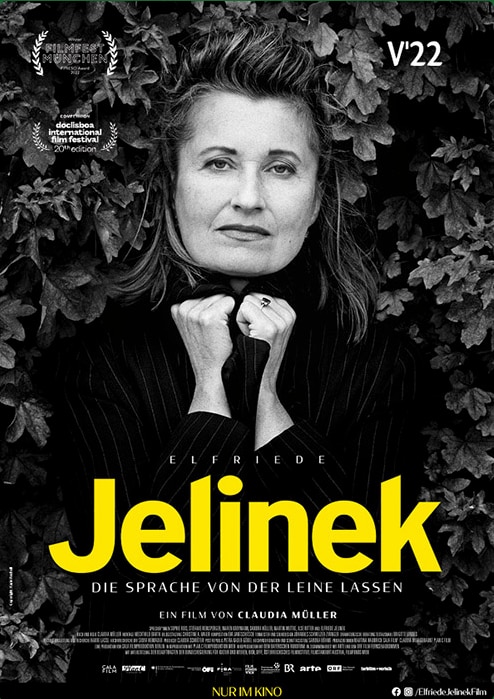
For Jelinek, this re-evaluation began whilst she was still alive, at the latest when she received international recognition with the Nobel Prize. Since then, her standing has grown exponentially in Austria too, and today she is regarded within literary circles as a leading figure on the Austrian literary scene of the second half of the 20th century.

A tribute from the world of theatre

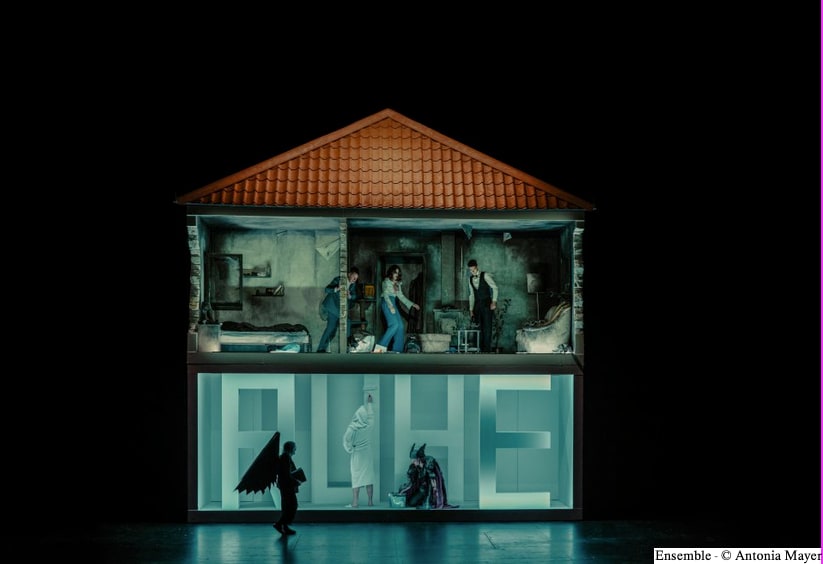
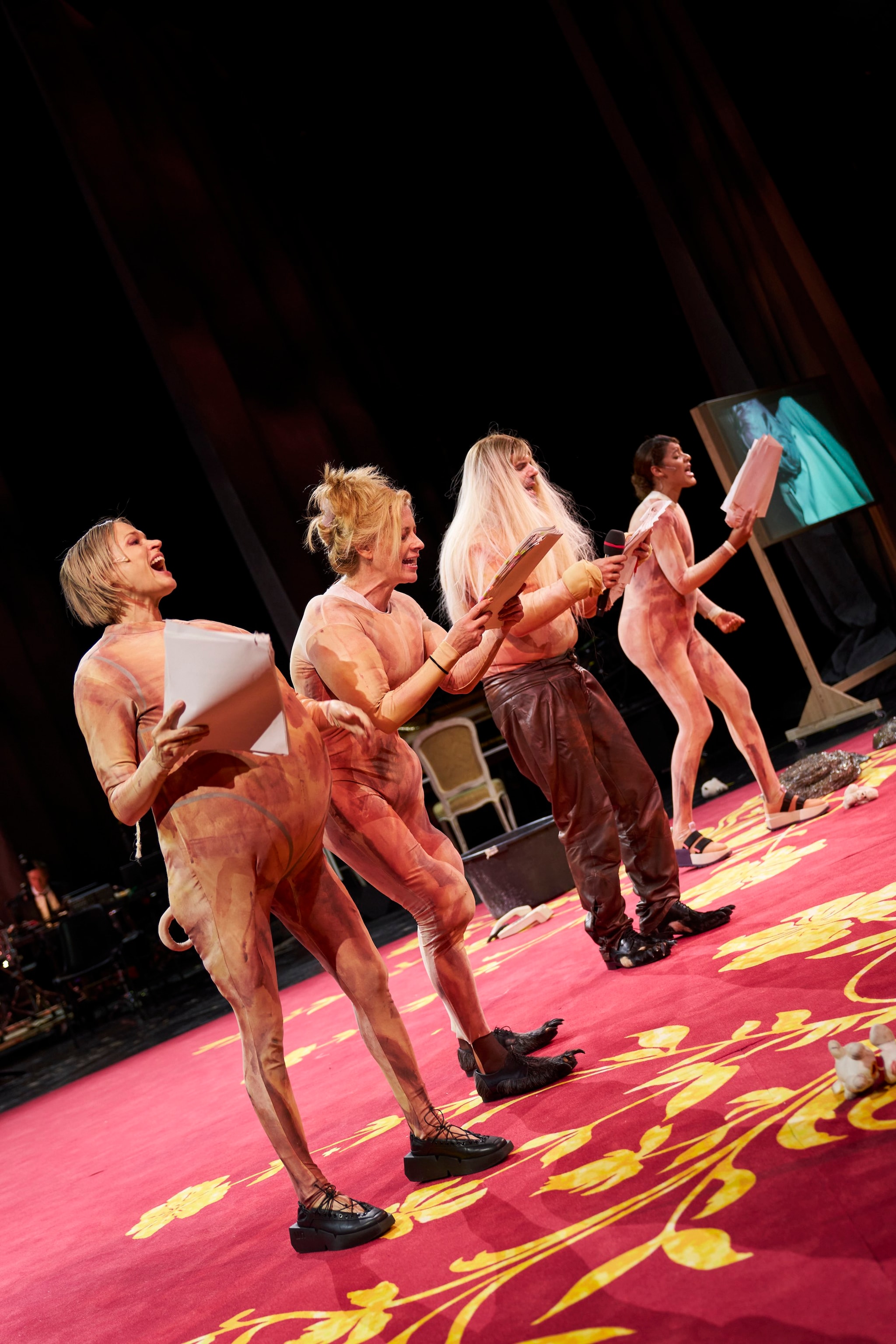
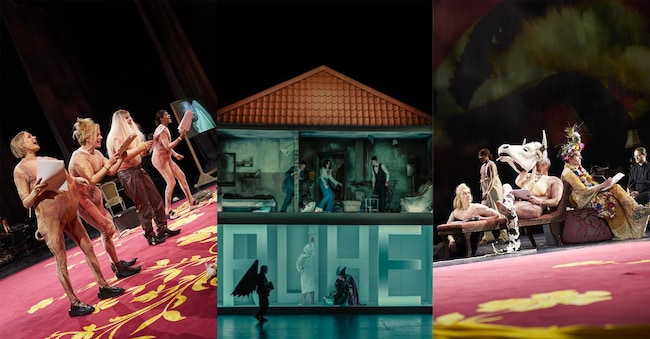
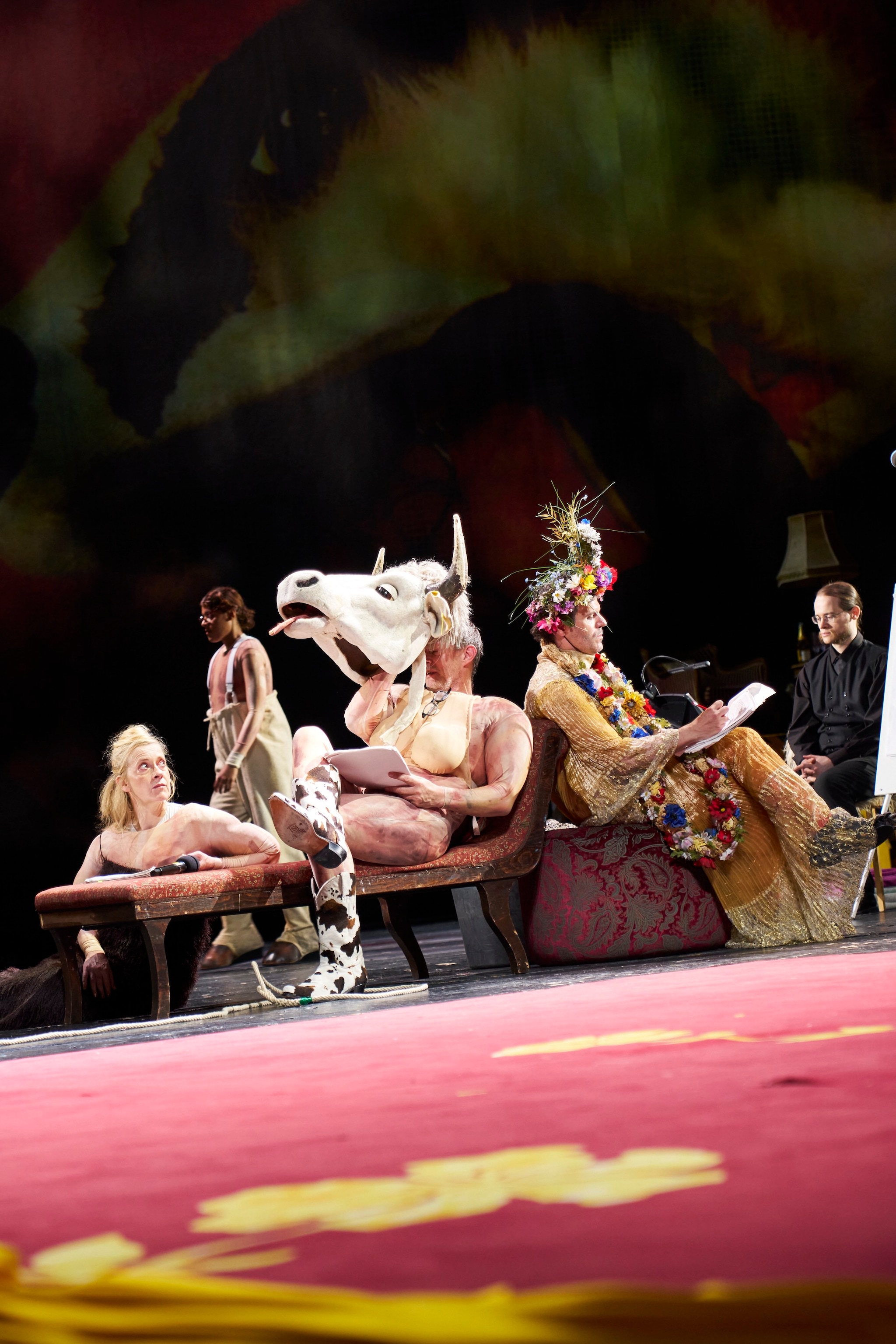
To mark his 80th birthday, the Salzburg Festival and the Burgtheater staged his latest work, *Fra animali* (Among Animals), a series of monologues by animals observing humanity, published last June by Rowohlt (*Unter Tieren*): an indictment that once again places the economy and the devastating consequences of unbridled free-market capitalism at the centre of the debate.

Once again, the main co-protagonist of the text is language: acrobatic, at times terse, at times ironic or sarcastic, at times surreal, with witty and almost always surprising puns.

In Jelinek’s plays, the characters are conveyors of words and concepts, and the author herself seems to encourage directors to experiment and even to make those expressions their own, describing what she provides them with as ‘text sausages’.

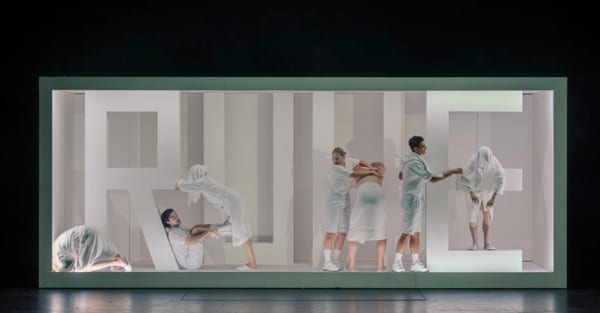
And, buoyed by his prior approval, the directors cut, paste and rework the material to create productions that are at times magnificent, such as “Ein Sportstück”, directed in 1998 by Einar Schleef, or *The Rechnitz Massacre*, staged in 2008 by Jossi Wieler, or *Winterreise*, created by Stefan Bachmann in 2021. At other times, however, the productions that emerge from an engagement with his works fail or struggle to make the leap from the written page to the stage.

Loading...

In Nicolas Stemann’s stage adaptation, the brilliant *Fra animali* – which, from a distance, seems to echo George Orwell’s *Animal Farm* – has been transformed on stage into a boisterous kaleidoscope.

The acquisition of part of his archive

In addition to the two performances, in Vienna – Jelinek’s adopted city – an agreement has recently been reached whereby part of the author’s literary archive, comprising manuscripts, typescripts, correspondence, documents and a press clippings collection she herself had compiled over the years. This acquisition is certainly smaller than the €2.1 million deal struck by the Austrian state in 2022 to transfer Thomas Bernhard’s archive to the National Library, but in Jelinek’s case it certainly does not represent her entire archive, and the current agreement, which includes a commitment to subject the materials to in-depth study and make them accessible to the public, offers hope that the collection will be completed in the future.

Its location at the Wienbibliothek im Rathaus means that it is, moreover, housed alongside many other archives and collections of correspondence belonging to distinguished figures from Vienna’s cultural, artistic and political spheres, including Franz Grillparzer, Karl Kraus and Arthur Schnitzler, as well as Schubert and the Strauss family.

Other celebrations

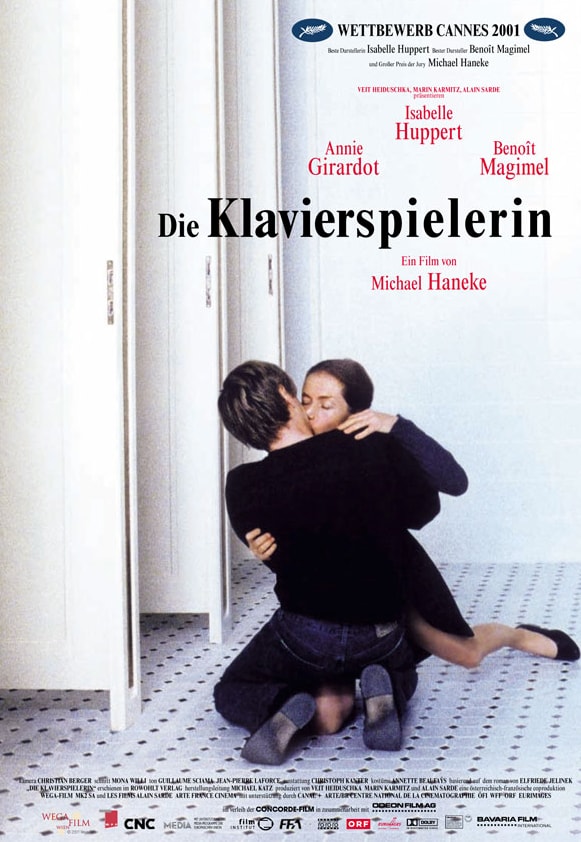
The programme of events to mark her 80th birthday, organised by the Elfriede Jelinek Research Centre, the Viennese university centre dedicated to research on the author, ranges, amongst other things, from a series of lectures and talks by the director, Pia Janke, at Austrian cultural institutes in Paris, Warsaw, New York, São Paulo and Tokyo, to a screening series at the Metro KinoKulturhaus in the Austrian capital, featuring films adapted from her works.

In Italia this autumn, the University of Udine is organising (on 18 November) a tribute to Jelinek and, in particular, to her work as a playwright, featuring a discussion with the scholar Ute Degner, coordinated by Elena Polledri.

The main place to keep up to date with Elfriede Jelinek’s latest developments remains the website elfriedejelinek.com, where she has been publishing texts, commentaries, announcements and appeals – most recently an analysis of the Palestinian situation, calling on the Austrian government, which is set to be a member of the UN Security Council in 2027 and 2028, to make the most of that ‘small window of opportunity’ to give a voice to the victims.

Copyright reserved ©
Loading...

Brand connect

Loading...

Newsletter

Notizie e approfondimenti sugli avvenimenti politici, economici e finanziari.

Iscriviti