
Ema OK for first Italian-made gene therapy for Wiskott-Aldrich
Author of the research is the San Raffaele Telethon Institute for Gene Therapy (SR-Tiget) in Milan

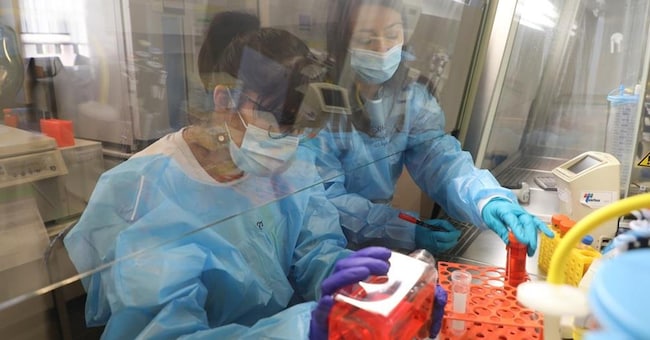
The European Medicines Agency Ema has given the OK to grant marketing authorisation in the European Union for Waskyra (etuvetidigene autotemcel), the first gene therapy for the treatment of Wiskott-Aldrich syndrome, a rare and severe genetic immunodeficiency. The new treatment is the result of Italian research conducted by the San Raffaele Telethon Institute for Gene Therapy (SR-Tiget) in Milan. The OK from the Ema experts is for 'people aged six months or older with Wiskott-Aldrich syndrome who have a mutation in the Was gene,' the EU agency explained in a note.
The ex vivo gene therapy developed for this rare hereditary disease is used to treat 'patients for whom a haemopoietic stem cell transplant is appropriate, but a suitable donor is not available,' the Ema continues. The Telethon Foundation expressed satisfaction with the milestone, which represents new hope for patients born with the disease. "We are proud that the work started in our laboratories is now reaching European patients, reaffirming the value of a research model that combines science and cure," commented Ilaria Villa, Fondazione Telethon's director general. "This result confirms that even academic research, when guided by a strong sense of responsibility towards patients and conducted according to industrial standards, can really change the natural history of rare diseases.
'Ensuring the concrete availability of therapies on the market is essential to give families a real chance of treatment,' adds Alessandro Aiuti, Deputy Director of SR-Tiget and Head of Paediatric Immunohaematology at the Irccs Ospedale San Raffaele and Professor of Paediatrics at the University Vita-Salute San Raffaele. 'It is in the impact that our work has on people's lives that the deepest sense of doing scientific research is found.
The therapy will be available to patients at Irccs ospedale San Raffaele, where the clinical trial phase was conducted. Waskyra is a gene therapy drug produced from stem cells (called CD34+ cells) taken from a patient's blood. The cells are genetically modified in the laboratory so that they can produce a functional Was protein. Once reintroduced into the patient after a conditioning (preparative) regimen, the modified cells migrate to the bone marrow, where they begin to produce blood cells and healthy immune cells that produce a functional Was protein, thus helping to alleviate the symptoms of the disease. Waskyra is administered once, by infusion (drip) into a vein. The EMA's recommendation is based on data from a clinical development programme involving a total of 27 patients with the disease: the main study was a single-arm clinical trial conducted on 10 children aged between 1 and 9 years, supported by data from another clinical trial and an expanded access programme (which included people treated by compassionate use and hospital exemption), on 17 patients aged between 1 and 35 years. In its overall evaluation of the available data, the Committee for Advanced Therapies (CAT), the Ema expert committee for cell- and gene-based medicines, found 'that the benefits of Waskyra outweighed the possible risks'.

