
Embracing chaos and uncertainty is the key to understanding Tokyo
The metropolis is made up of many cores with different historical layers that intersect and are united by the public transport system
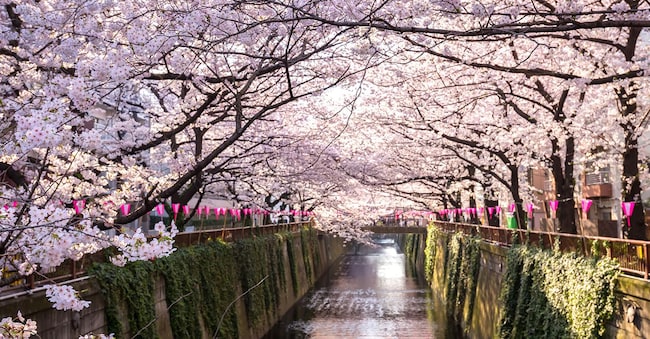
Walking the streets of Tokyo? A fascinating but also complex and deeply disorienting undertaking. Tokyo is a metropolis of exceptional proportions by European and other standards, with over 30 million inhabitants. The concept of neighbourhoods gives way to that of urban nuclei the size of a large Italian city. So many nuclei, with different historical stratifications, intersecting, irrigated by the lifeblood of the sprawling public transport system. As Japanese urban planner Jinnai Hidenobu writes in the preface to Entropic Tokyo, a volume written by architect Lorena Alessio (LetteraVentidue Edizioni), one is shocked by the impossibility of deciphering Tokyo, so different from western metropolises, according to the parameters to which we are accustomed. Disorder seems to reign supreme, amid mega-skyscrapers, low houses, narrow streets and endless boulevards. The apotheosis: the Shibuya Crossing.

Between Roppongi and Azabudai
One of the possible paths of exploration of an agglomeration that has changed its identity so many times over the centuries - stealing and ceding territory and urban planning perspectives to the vast and deep water system that centuries ago made the area resemble a sort of Venice or Amsterdam of the East - could therefore start between Roppongi and Azabu. That is, between the housing complexes of Roppongi Hills and Azabudai, which integrate museum spaces, offices, gardens, areas dedicated to religious worship, restaurants and high-end shopping. We are a stone's throw from Tokyo Tower, and from numerous religious, Buddhist and Shinto sites. These are urbanistic examples of the new Tokyo of the 1980s that accelerates the vertical dimension on the initiative of the Mori Group and offers visitors exceptional panoramic experiences. To find the latest urban realisations of ultra-modern Tokyo, one can go to the area - not too far from Roppongi - of Takanawa Gateway Station, where a profound urban regeneration under the banner of advanced hi-tech (robotics and artificial intelligence for the various civic functions) is underway by the JR East Rail group.
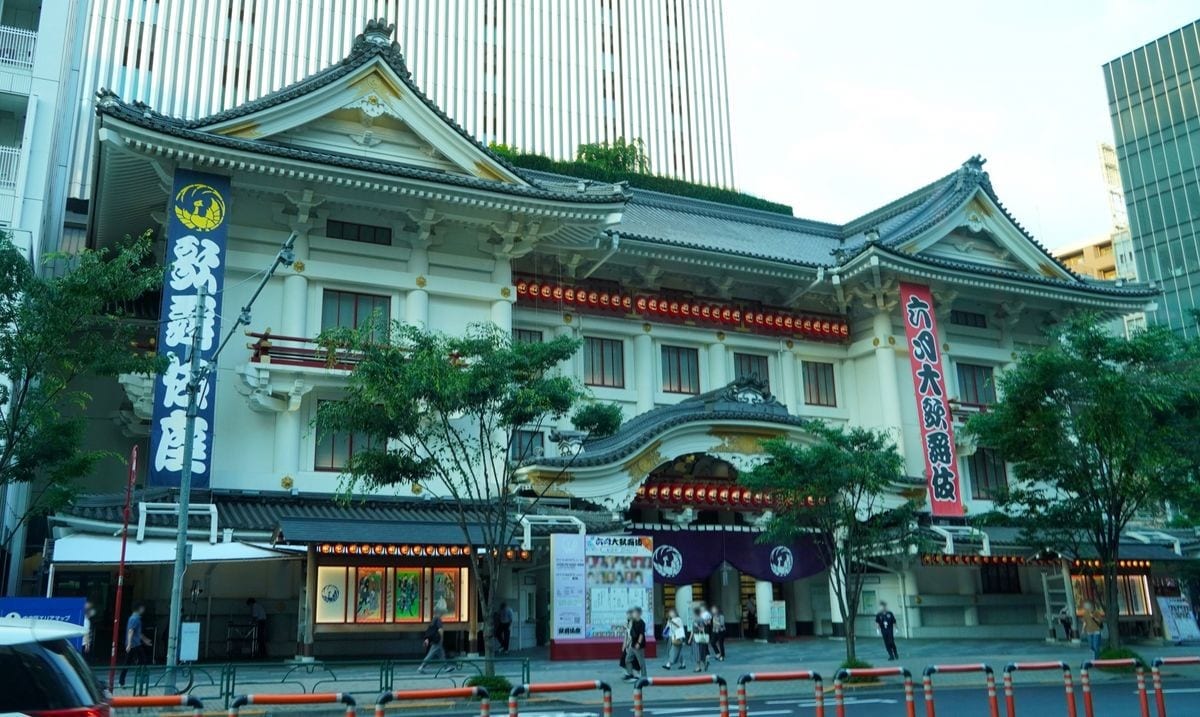
Looking for Ancient Edo
But, as Jinnai points out, where can one find the machizukuri spirit, or rather the essence of that neighbourhood community that has taken over and consolidated what for centuries constituted one of the cornerstones of daily life in Edo, as Tokyo was once called, and which still emerges among the skyscrapers, housing estates, narrow alleys and low wooden houses alternating with shrines, temples and cemetery areas, in the heart of the megalopolis? And so, as Lorena Alessio reminds us, the concept of entropy comes in handy in a positive light to understand the complexity and, if you like, the fascinating disorder of Tokyo, which remains - as highlighted in Wim Wenders' recent film Perfect Days - a city at the service of man and beauty even in its simplest functions (from the designer public toilets to the myriad of kombini, those small, warm shops that never leave you alone).
Thus the Edokka entropy becomes a positive factor, a stimulus to knowledge for the visitor. And it prompts, for example, exploration of the Yanesen area that connects Yanaka, Nezu and Sendagi, north of the great artistic and communicative green lung of Ueno. The Japanese classify as shitamachi the relaxed and traditional atmosphere of this area, which preserves the spirit of time, of tradition, and which should be visited on foot, wandering once again on the waves of entropy. Jinnai recalls other areas of interest for urban exploration, such as Komagome (i.e. the cradle of cherry trees) on the Yamanote line, and Kita-Shinagawa on the Keykiu line. Jiyugaoka, south of Shibuya (Tokyu-Toyoko line) is also interesting. The railway system, which also gladdens with the many melodies associated with the trains, is the lifeblood of the area and itself deserves an entropic exploration. In the same way - passing through Yokohama - it is pleasant to admire Sagami Bay from Kamakura, an ancient capital rich in historical and religious evidence. Where forest paths are paths of the soul.


