
Emirates: passenger numbers on the rise, but half-year profits plunge by 66 per cent
The war in the Middle East is taking its toll on the Gulf-based airline’s finances. The Dubai-based airline is being affected by airspace restrictions and fuel prices

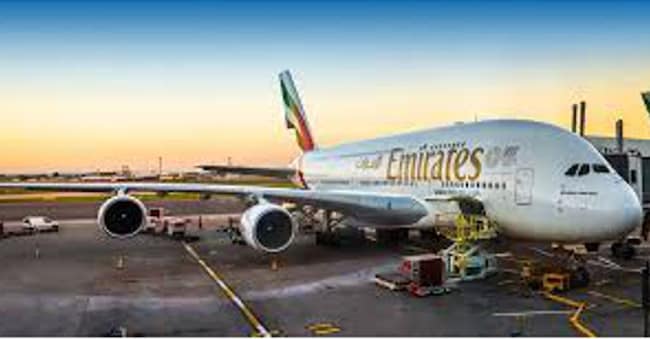
The war in the Middle East is also taking its toll on Emirates. Dubai’s leading airline recorded a 66 per cent fall in net profit in the first half of the 2026–2027 financial year, hit by the impact of the conflict between the United States, Israel and Iran on regional air traffic and by the sharp rise in fuel prices.
In the six months ended 30 September, net profit stood at 3.3 billion dirhams, equivalent to approximately 903 million dollars. Revenue also fell, dropping by 13 per cent to 56.9 billion dirhams, despite the positive contribution from the cargo sector and travel demand which the group described as still solid across its various key markets.
The results were primarily affected by the deterioration in the operating environment in the Gulf region. Restrictions and intermittent closures of airspace in various countries led to flight delays, cancellations and diversions, disrupting international connections and traffic flows through one of the world’s leading aviation hubs.
Gulf companies, which are among the world’s leading operators in the sector, have gradually resumed some of their activities, but the outlook remains uncertain. Recent attacks by the Yemeni Houthis – a movement backed by Iran – on targets in Saudi Arabia have further complicated the prospects of a return to normality.
“The first six months of 2026–2027 presented significant challenges for Emirates’ operations,” said the Dubai-based holding company, Emirates Group, emphasising that airspace restrictions and closures in the region had put the airline’s operational capacity to the test. Government travel advisories also influenced consumer choices, leading to changes in destinations and tourist flows.

