
ENAC: 'After the pandemic now airports have to face the geopolitical crisis'
In 2025 traffic in Italia will reach 229 million passengers (+5%), better than Germany and France. Low cost companies dominate with 63% of the market
by Mara Monti
 Aggiungi Il Sole 24 Ore
ai preferiti su Google
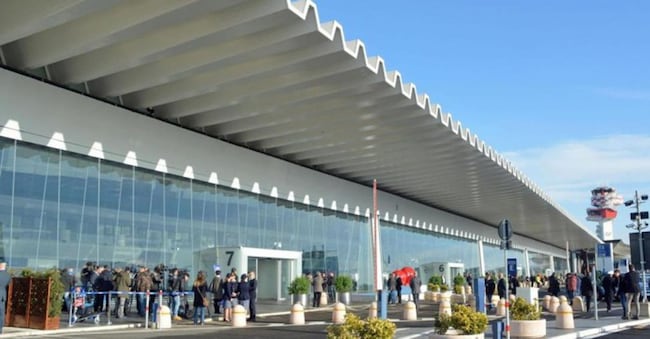
On the eve of the presentation of the National Airport Plan by the Ministry of Transport, Enac publishes its report on air traffic in Italia, certifying 2025 as the year of structural consolidation in the sector after the long post-pandemic recovery phase.
The network of Italy's 44 commercial airports recorded over 229 million passengers, up 5% compared to 2024, while cargo traffic exceeded 1.2 million tonnes (+2%). Aircraft movements also increased (+3%), albeit at a slower rate than passengers: a figure that, according to Enac, highlights an improvement in the airlines' operational efficiency and a higher flight load factor.
Italy's leading airport is Rome Fiumicino, with 50.9 million passengers and a 22% share of national traffic. It is followed by Milan Malpensa with 31.2 million passengers and Bergamo Orio al Serio with 16.9 million.
Growth was mainly driven by international traffic, which reached 157.2 million passengers, or 68% of the total, an increase of 8% over the previous year. Domestic traffic, on the other hand, remained more stable at 72.5 million passengers (32% of the total), essentially unchanged compared to 2024.
According to the report, the Italia market shows a higher growth dynamic than its main European competitors: Germany handled more than 220 million passengers (+3.6%), while France stopped at around 183 million (+2.8%).

