America

End of an era: US ceases production of the penny after 230 years

US discontinues penny production after 230 years: economic and historical impact of the decision
by Biagio Simonetta

3' min read

Translated by AI
Versione italiana

3' min read

Translated by AI
Versione italiana

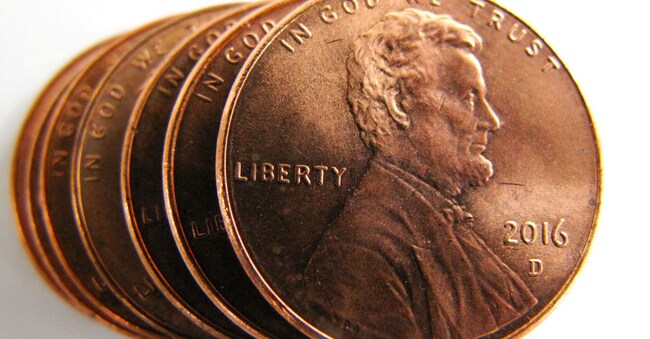
The last penny. Put like that, it sounds like the title of a book, or perhaps one of those films that come out of Hollywood and smash the box office. Instead, it is just a piece of history about to unfold. Because the United States is about to mint the last small copper coin with the face of Abraham Lincoln, which has accompanied two centuries of history.

As of Thursday, 13 November, the Philadelphia Mint will mint the last one-cent series after more than 230 years of uninterrupted production. The end of an era and of a national symbol that has become financially unsustainable.

Loading...

Clearly, the coins will remain in circulation (a withdrawal from the market has not yet been decided). But the decision has already triggered changes. Several chains and small shops have started to round up their prices. A signal that, slowly, pennies will disappear from cash registers. A move that, according to recent estimates, could cost consumers around $6 million a year.

The US administration has already explained that the choice will serve to save public money. 'We will clean up waste from our nation's large budget, even if it's just one penny at a time,' Donald Trump had declared last February, when he first announced the plan.

Behind the move, there is first and foremost an economic issue: each penny now costs almost four cents to produce, more than double what it did ten years ago. And the Treasury Department estimates that eliminating production will save the state coffers about 56 million dollars a year.

Then there is a technological issue. In the age of credit cards, digital payments and e-wallets, the penny coin has become a relic of the past. The Treasury estimates that around 300 billion pennies remain in circulation, 'far more than are actually needed for commercial transactions'. But it has to be said. as the BBC confirms, that in reality many of these pennies do not circulate at all. About 60 per cent - worth between $60 and $90 per household - lie forgotten in jars and piggy banks, which no one tries to change because they are too small in value.

It has to be said that the US is not alone in this direction. Canada stopped minting its pennies in 2012, while Australia and New Zealand phased out the one- and two-cent coins back in the 1990s, going so far as to also withdraw the five-cent coins in 2006. In the UK, a plan to abolish the one penny coins was shelved in 2018, but in 2024 the government decided to stop production anyway, believing that enough were in circulation. Europe, on the other hand, is in an observation phase for now, although the elimination of the small cents has already been discussed.

Back in the United States, the last penny has a rather nostalgic flavour. Because that tiny coin was born when the country was still an idea to be built. It has changed hands in every era, in the fingers of soldiers at the front, in the wallets of migrants who had just landed at Ellis Island, in the recorders of diners along Route 66.

A penny. Nothing more. But just enough to feel part of a collective story, of an everyday gesture that for generations has meant value, exchange, trust.

Now the Philadelphia mint will mint the last penny. And in the metallic clatter of that machine stopping, there is a sound that has the flavour of the end of an era.

Copyright reserved ©

Brand connect

Loading...

Newsletter

Notizie e approfondimenti sugli avvenimenti politici, economici e finanziari.

Iscriviti