
End-of-life smartphones and electric razors: in Italia, only 17 per cent are collected. Collection at shops is compulsory but remains little used
According to estimates by Erion Weee, the collection rate in Italia does not exceed 17 per cent of the waste placed on the market, compared with a European target of 65 per cent

Key points
Smartphones, earphones, electric razors, cables. At the end of their useful life, they are left in drawers at home or end up in the general waste bin. For small waste electrical and electronic equipment (WEEE), the collection rate in Italia does not exceed 17 per cent of the amount placed on the market, according to estimates by Erion Weee, compared with a European target of 65 per cent. For WEEE as a whole, the WEEE Coordination Centre forecasts a rate of 32.5 per cent for 2025: 6.22 kilograms per inhabitant are collected annually, but only 1.43 of these relate to small appliances.
Free collection from shops with a floor area of at least 400 square metres
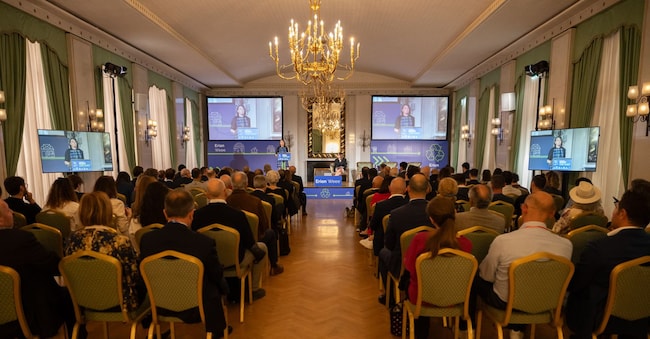
Yet, since 2016, shops with at least 400 square metres dedicated to electronics have been required to take back WEEE items smaller than 25 centimetres free of charge, with no obligation to purchase. The study ‘From Proximity to Collection’, presented on Wednesday in Rome by Erion Weee, takes this as its starting point: the ‘Small WEEE, Big Coop’ project is described as ‘an experimental extension of the 1-for-0 service’.
In Lombardy
Between October 2025 and July 2026, the 20 containers installed at ten Coop Lombardia stores collected 4,840 kilos – approximately 985 kilos per store per year – with significant variations: Lodi and Pavia collected over 1.1 tonnes each, whilst Busto Garolfo collected 128 kilograms.
In the municipalities involved, the amount of waste collected by municipal centres has not fallen to an extent attributable to supermarkets: where it has fallen, as in Parabiago (around 10 tonnes less compared with the 175 kilos collected by Coop), the decline is on a completely different scale. According to the study, this channel is ‘primarily complementary, rather than a substitute’. The uptake confirms the role of the shop ‘not only as a place to shop, but also as a local hub’, explains Matteo Barsacchi, environmental representative for Coop Lombardia.
About tobacconists
T-Collect, the Logista project presented at the event and resulting from a programme agreement with the Ministry of the Environment, the Italian Federation of Tobacconists and the WEEE Coordination Centre, is based on the same model: from 2024, over 30,000 tobacconists will collect used e-cigarettes free of charge, with no obligation to make a purchase. So far, more than 100 tonnes of devices have been collected – just over 3 kilograms per outlet. To raise awareness of the service, Logista has launched the ‘Getta Giusto’ campaign and redesigned the collection bins to make them more recognisable.

