
End to checks on agri-food exports: draft EU-London agreement
The text, which is to be discussed today in Brussels, does away with burdensome and costly bureaucratic procedures and confirms the rapprochement between the United Kingdom and the European Union promised by Prime Minister Burnham

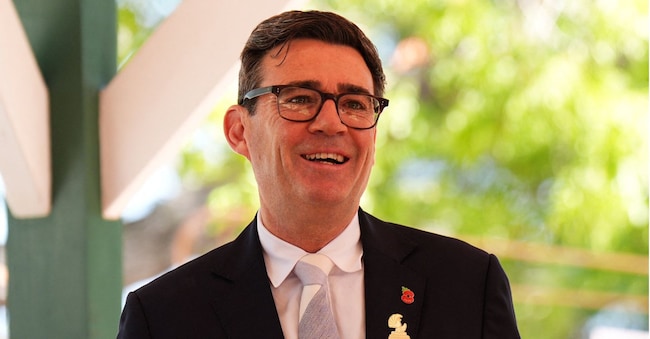
LONDON – An end to checks on agri-food exports at the border between the UK and EU countries: London and Brussels reached a draft agreement yesterday to remove the non-tariff barriers in place following Brexit.
The 200-page text of the Sanitary and Phytosanitary (SPS) Agreement has been sent to the 27 Member States and will be discussed at a meeting scheduled for today in Brussels.
The agreement will have a positive impact on thousands of businesses on both sides of the Channel, which will be able to export food products such as cheese, meat and wine, as well as flowers and plants, without having to go through burdensome and costly bureaucratic procedures. For goods entering and leaving the EU, the following will be abolished: export health certificates costing £200, phytosanitary certificates costing £25, the costs of veterinary inspections, organic certifications, part of the port charges and the costs of quality controls.
According to the National Farmers’ Union (NFU), exports of British agri-food products to the EU have fallen by a third since Brexit. Following the agreement reached yesterday, exports of products such as sausages, burgers and shellfish to the EU will once again be permitted, in exchange for a guarantee of ‘dynamic alignment’ with EU plant health rules.
The agreement, which has been under negotiation for some time, is a concrete sign of the rapprochement with the EU promised by the new Prime Minister, Andy Burnham, who has spoken openly about the damage caused by Brexit to the British economy and expressed the hope that one day the UK will rejoin the EU.

