
Enel, in Cancello ed Arnone the solar plant coexists with the Roman villa
Archaeological discoveries have not stopped the investment in clean energy, but it has also been possible to coexist with a Park
by Vera Viola
3' min read
3' min read
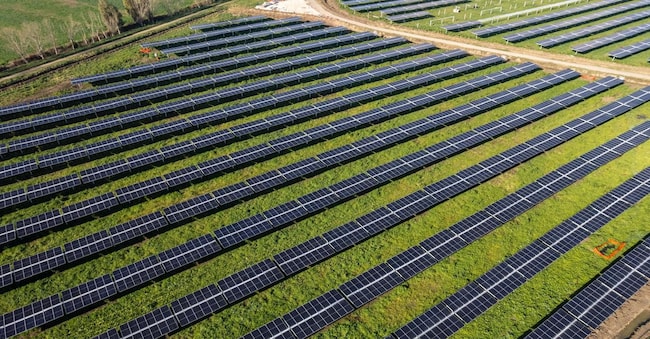
Combining a solar power plant with an archaeological area and a green space is not something that happens very often. It was possible, however, in Cancello ed Arnone, a municipality of 5,729 inhabitants in the province of Caserta, where Enel landed a few years ago with the project of a mega-plant for the production of energy from alternative sources.
The project, which is part of the Group's strategy to contribute to the gradual decarbonisation, concerns the construction of a solar park with a total capacity of 13.5 MWp, counting on more than 24 thousand double-sided panels: efficient modules because they are able to capture solar energy from both sides. It is envisaged in the 2025-2027 Strategic Plan, which allocates investment of 22 billion to Italy, of which about 4 billion on renewables.
Loading...
The project started in 2020 and the park has recently reached full operation: it produces energy amounting to about 25 GWh per year with a corresponding saving in terms of pollutant emissions of about 10 thousand tonnes of CO2. The plant is ready to meet the energy needs of about 9 thousand households.
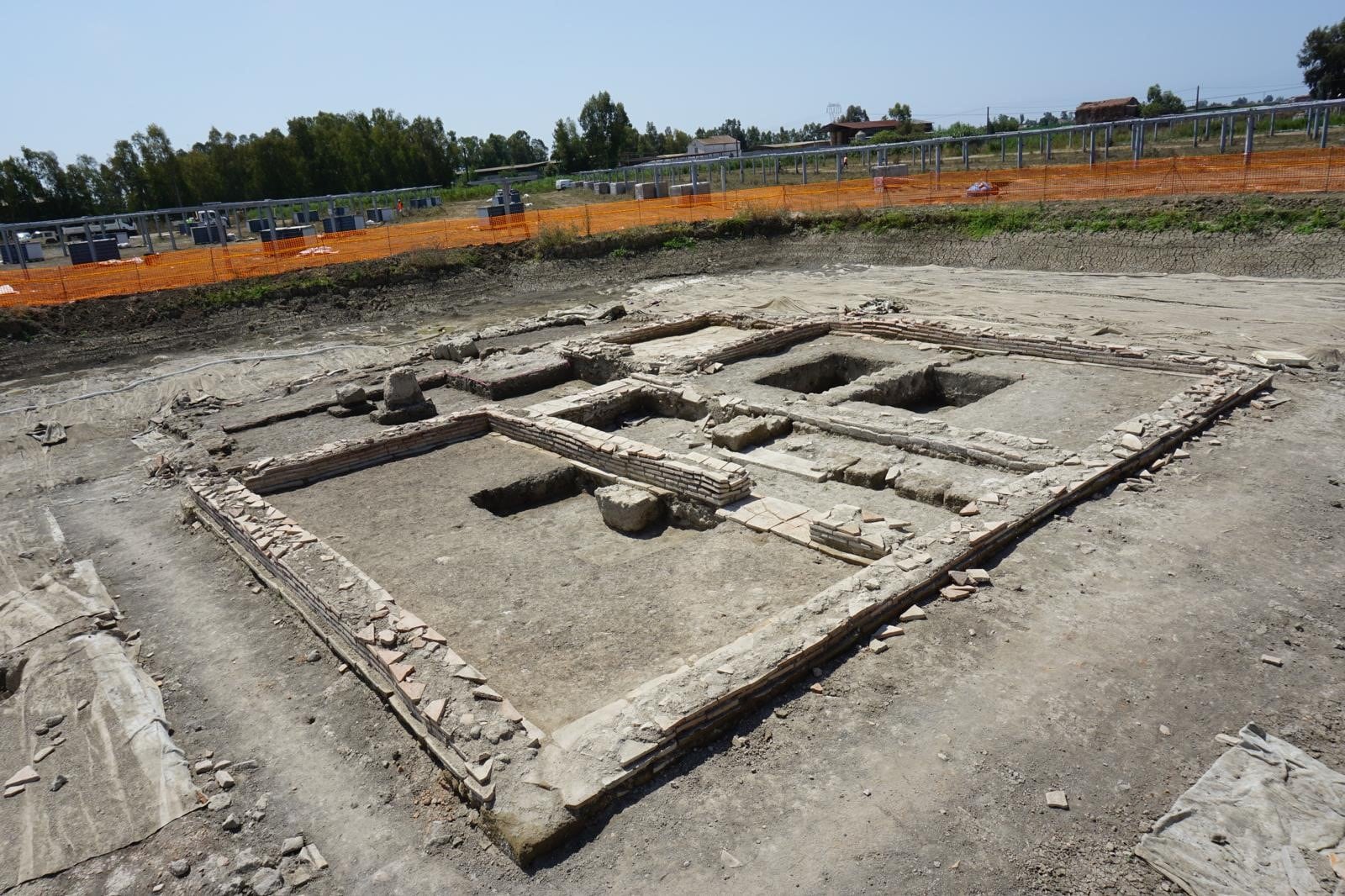
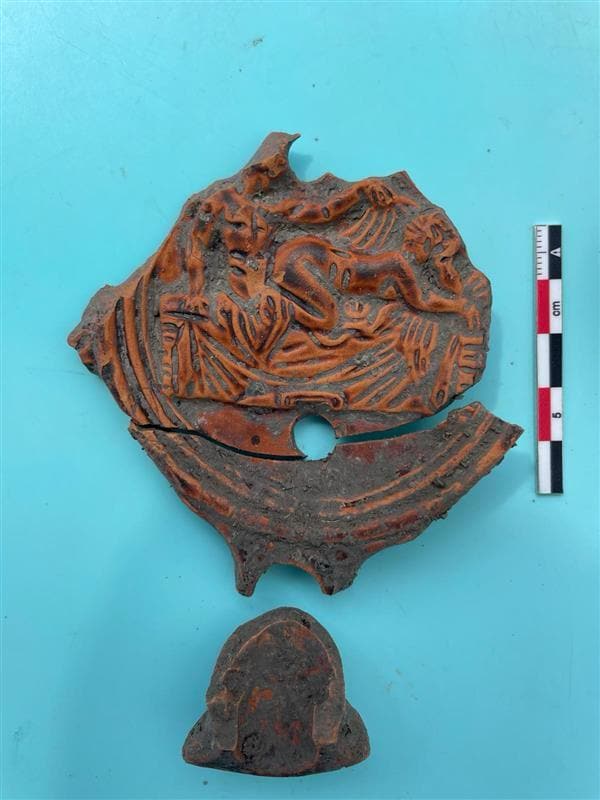
But the realisation of the work did not always have an easy life. During the so-called preventive archaeology work, conducted on the area in close coordination with the scientific direction of the Soprintendenza Archeologia Belle Arti e Paesaggio of Caserta and Benevento, the archaeologists of the Enel division first found a few archaeological finds and then came across an ancient Roman villa.
What to do? How to reconcile the innovative project with the protection and rediscovery of traces of the past? Usually, in Italy, circumstances of this kind lead to work being halted, sites being abandoned, postponing both the construction of new works and the rediscovery of old ones until 'better' times. In Cancello ed Arnone, for once Enel has managed to go ahead on both fronts. Having perimetered the area of the archaeological site and created a safety corridor around it for a total of 1,500 metres, the Superintendency gave the go-ahead for the two plants to coexist side by side.


Brand connect
Loading...
