
Energy, EU conditional yes to spending up to 0.3% of GDP
The Commission is ready to announce a margin under the emergency clause already available for defence (1.5% of GDP). But the money will have to be used for environmental investments
from our correspondent Beda Romano
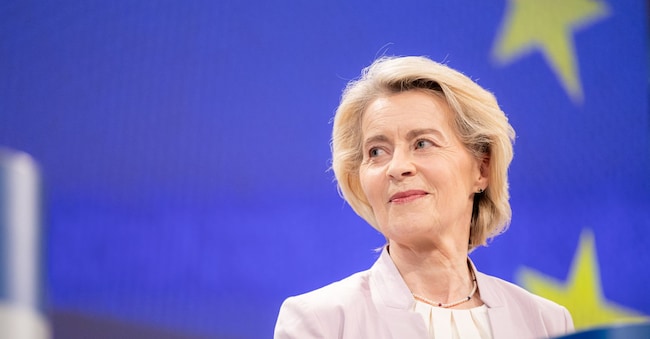
BRUSSELS - The European Commission will today announce new budget flexibility to allow member countries to respond to the energy shock. However, the EU executive has decided to make the use of the money conditional on new environmental and climate investments. The long-awaited decision comes after some member states, including Italia, had asked for more freedom of manoeuvre. In all likelihood, some partners will turn their mouths.
According to information circulated here in Brussels, the mechanism devised by the European Commission is based on the emergency clause that governments can activate to finance arms purchases. The clause allows a deviation of 1.5% of the gross domestic product from the public spending path decided at European level. The EU executive will today present the option of allowing governments to spend a 0.3% share on energy.
As mentioned, the money will be used to structurally reduce dependence on fossil fuels, thus in the form of investments. The mechanism should be valid for three years - 2026-2027-2028 - for a cumulative total of 0.6 per cent of GDP. The option, which will be officially presented today at the presentation of the annual country recommendations, is to be endorsed by the Council.
As mentioned, the Brussels proposal comes after some countries had clamoured for new budgetary flexibility to respond to the energy shock. In May, Italian Prime Minister Giorgia Meloni had written a letter to the Commission asking precisely to extend the clause reserved for defence to energy, so as to finance "investments and extraordinary measures" and allow "companies to continue producing" and "households to cover energy costs".
Brussels accepted the Italian idea, i.e. the use of the defence clause, but by conditioning the use of the money on investment rather than current expenditure. That said, it is true that the greater spending margin frees up resources in the state budget, and may allow finance ministries to review public finance items. The discretion of the capitals will depend on the implementing measures of the EU measure.


