
Renewing energy: the evolution of heat pumps
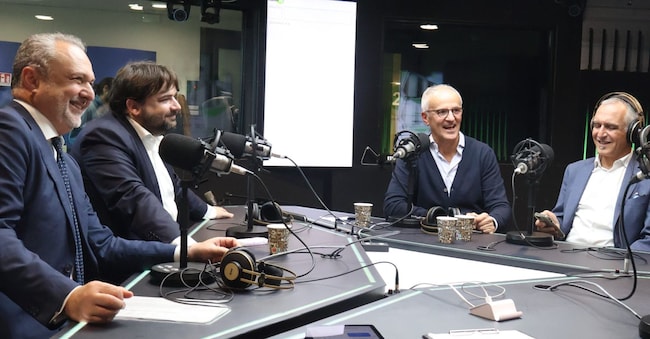
On 23 October 2025 on Radio 24 the Digital Round Table Energy renewing itself: the evolution of heat pumps, moderated by Maurizio Melis, journalist and presenter on Radio 24

More than 50 per cent of the country's energy consumption is for heat, mainly for heating and industrial processes: this number alone explains the centrality of heat pump technology for both the ecological transition and the country's energy strategy.
Da questa semplice constatazione ha preso il via ieri su Radio 24 la Digital Round Table Energia che si rinnova: l’evoluzione delle pompe di calore, moderata da Maurizio Melis, giornalista e conduttore di Radio 24, con la partecipazione di Riccardo Bani, Presidente di ARSE; Diego Ciocca, Head of Product Management HVAC Business Samsung Electronics Italia, Dario Di Santo, Direttore Fire Italia; Giuseppe Latour, Giornalista del Sole 24 Ore; Mario Motta, Ordinario di Fisica Tecnica Ambientale del Politecnico di Milano; Massimiliano Pierini, Managing Director RX Italy e Ferdinando Pozzani, Amministratore Delegato Teon.
The guest speakers repeatedly emphasised how heat pumps, in addition to offering energy efficiency and (at least locally) zero pollutant emissions, are an enabling factor for a series of transformations that meet both the country's environmental and competitiveness goals and increase its energy independence: they reduce the need for primary energy, promote the electrification process, and open the way for companies and citizens to participate in the electricity grid services market, i.e. the implementation of the demand-response logic, according to which those who are able to modulate their energy demand in relation to the needs of the electricity grid are paid for it. Estimates show that, when fully operational, these contributions could be worth a substantial part of the electricity bill
In Italy, the heat pump market is in reasonably good health. Medium-term data - stripping out the historical series from the artificial peak created by the superbonus - show a steady growth in the number of units installed, particularly in the sector of medium-sized residential systems (condominiums) and for the production of process heat.
And unlike other 'green' technologies, the underlying industrial chain has solid manufacturing bases in Europe, particularly in Italy, where it is estimated that investments will grow by around 30% in the next two years.
An overall positive picture, therefore, where, however, there is no shortage of shadows:

