
Energy, Rome and Madrid ask for exemptions to the Pact. But there is the Berlin Wall and 'frugal countries'
Leading the strictest front is the Netherlands, which moves together with Ireland and the Scandinavian countries

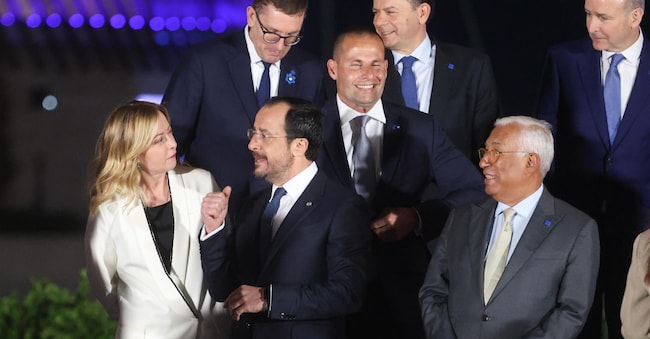
Negotiations on the new EU medium-term budget start uphill, squeezed between demands for increased funds, resistance from frugal countries and the knot of debt repayment of the Next Generation Eu, the great European plan for post-pandemic recovery.
Different views
A sharp clash emerges at the informal summit in Nicosia: there are those who push for a more ambitious budget and new revenues, and those who aim to downsize both, Nordic countries in the lead. The confrontation, described as 'open' by a European official, still sees 'a lot of work to be done', especially on the overall size of the budget and on own resources: i.e. where the money for the EU in the seven-year period 2028-2034 will come from.
The rigorist front
Leading the more rigorous front is the Netherlands, which moves together with Ireland and the Scandinavian countries. "We will negotiate on the EU multi-annual budget for many months. There are many countries that, like us, demand a leaner and more modern budget. We are creating a broad front,' explained Dutch Prime Minister Rob Jetten, also criticising the idea of new resources: 'Sometimes they overlap with national taxes. We want to avoid double taxation'. On the same lines Berlin: 'A massive increase in the EU budget, as proposed by the Commission, is not compatible with the situation,' warned Chancellor Friedrich Merz, pointing to the need for 'horizontal cuts in all headings' and stressing that more EU debt 'is unimaginable'.
No to taxing large companies
The hypothesis of taxing large companies was also rejected at the Berlaymont Palace: 'It should not be implemented'. On the opposite front, the EU institutions insist on the need to strengthen the budget. "If we want" to guarantee the resources to repay the Recovery debt and finance the new priorities, "there is only one solution: new own resources, which are indispensable," said Commission President Ursula von der Leyen. "Without them, the choice is stark: either increase national contributions or reduce spending capacity. There is no alternative.

