
Energy, Sardinia plans a regional agency
Industry councillor Emanuele Ciani explains the strategy to overcome the gap with other regions and strengthen industrial clusters

4' min read
4' min read
The most important challenge is energy. And, above all, of the regional energy company since, even today, the island must overcome the gap that limits industrial activities and manufacturing. It is no coincidence that it is precisely the energy issue and the high cost of energy that are at the centre of important disputes involving the Sulcis metallurgical pole, where investments and interventions exceeding one billion euros are at stake. Outlining Sardinia's energy and industrial outlook for the coming years is Industry Councillor Emanuele Cani, who is grappling with the thorniest dossiers affecting the island's production sector. The first step, announced some time ago, is the project for the Sardinian Energy Agency. A new body (the legal formula is currently being evaluated, which could be an agency or subsidiary company) 'to provide answers to the island's businesses and families', overcoming the gap with other regions also determined by the lack of gas.
"Like other regions in Italy, Sardinia is a candidate to have its own energy agency," says Cani. "Let's say that it will have to be the instrument through which we give Sardinians what they rightly must have and have never had from the exploitation of their resources for the production of energy from renewable sources.
And in this regard, the regional executive representative gives a concrete example, looking precisely at energy production through the hydroelectric power plant system. "The issue of hydroelectricity, from which the Sardinians, but above all the territories hosting the plants, do not draw any benefit, will have to be reviewed and modified also through an intervention on concessions. This system is part of a broader mosaic and everything will be framed in the Regional Energy Plan, "which has been at a standstill since 2016 and on which the entire system is working on a new design". "The drafting of the new plan envisages the involvement of the university world, the system of regional participations with their respective competences, and clearly," the councillor clarifies, "all the employer and professional associations, trade unions, without forgetting the local authorities and their associations, as well as the representatives of the various realities that can make a contribution to the drafting of the plan, which is of high importance.
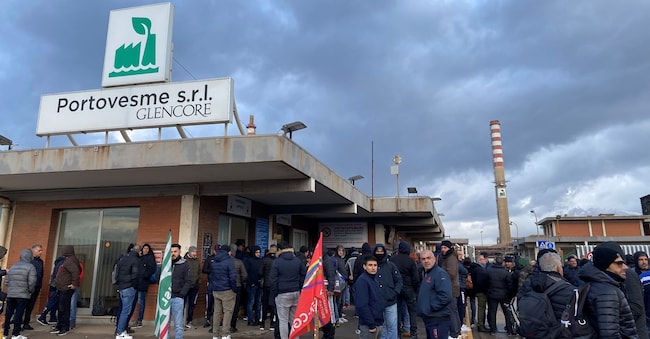
Then there are the disputes that have been open for years on which the future of workers and investment, mostly private, hangs. The most significant concern the metallurgical pole of Portovesme, which brings together both the aluminium sector and the production of lead and zinc. Here too, energy costs are dictating the line, holding back an investment game worth some seven hundred million euros between Eurallumina, Sider Alloys and Portovesme srl Glencore.
'Since we took office, we have initiated talks with companies and trade unions to support all activities,' Cani argues. 'We are convinced that Sardinia cannot give up industrial activity. Precisely for this reason, even in recent days, the executive has urged the convening of a meeting of the crisis table at the Ministry of Enterprise and Made in Italy. "We are carrying out a series of interlocutions also with the government for open disputes such as the one concerning Glencore, which has stopped the lead line and is now preparing to stop zinc, an activity towards which we have expressed all our disappointment. That is not all. In the general picture concerning the world of production, there is the piece relating to chemistry. The new generation that has taken the place of the heavy one. 'We are also working to give legs to the green chemistry project in northern Sardinia, which has been at the pole for too many years and on which many have expectations.

