cannes Film Festival

"Enzo", the film starring Pierfrancesco Favino opens the Directors' Fortnight

Robin Campillo has completed the project started by Laurent Cantet: a drama about adolescence that half works

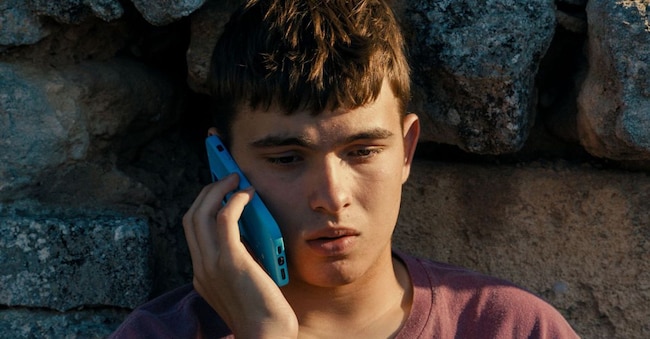
Enzo.

3' min read

3' min read

It is certainly not a vision like any other that of 'Enzo', the film that opened the Quinzaine des cinéastes, the main parallel section of the Cannes Film Festival.

The reason is quickly stated: the first name to appear as the author of this feature film is that of Laurent Cantet, the director who passed away on 25 April 2024 and who had won the Palme d'Or at Cannes in 2008 with 'La classe'.

Loading...

Cantet had worked on the subject but passed away before it was actually realised, and the project went ahead thanks to Robin Campillo, a close collaborator of Cantet's and himself a director of major titles such as 2017's '120 Beats Per Minute'.

"Enzo" is thus a feature film signed by four hands ("a film by Laurent Cantet made by Robin Campillo") in which, however, it is quite evident that the gaze of the director who actually shot and completed it prevails.

Perhaps echoes of the cinema of Cantet, a director who had also shown his talent in titles such as 'Human Resources' (1999) or 'Full Time' (2001), can be heard in the narrative bases, rather than in a direction in which Campillo rightly put his own style.
The protagonist is a teenager in crisis, broken with the bourgeois family he comes from and with whom he can no longer have any form of communication. Rather than follow the ideas instilled in him by his father, Enzo prefers to work as a bricklayer and becomes particularly attached to a Ukrainian colleague.

The film starts from an individual story and turns into a universal reflection, capable of depicting youth discomfort as something profoundly generational and always working on opposites: tranquillity and conflict, apparent family serenity and inner disintegration.

Important points with too much meat on the fire

.

The topics are multiple, so much so that the film ends up putting too much meat on the fire, risking not delving into them properly.

The cues are important and the realism of the story depicted is very much felt, but there is a lack of real touches that would have made the viewing experience more engaging and original: there are many films that can come to mind when watching this work (e.g. the films of André Téchiné), which does not lack merit in the writing of the characters but which could and should have been much more incisive.

However, the work of the entire cast is remarkable and a special mention goes to Pierfrancesco Favino in the role of Enzo's father: his is an intense performance capable of lingering long after the viewing is over.

L'intérêt d'Adam

Instead, the Semaine de la Critique was inaugurated by 'L'intérêt d'Adam' by Laura Wandel, a Belgian director who had already put herself on the map with 'The Pact of Silence' in 2021.

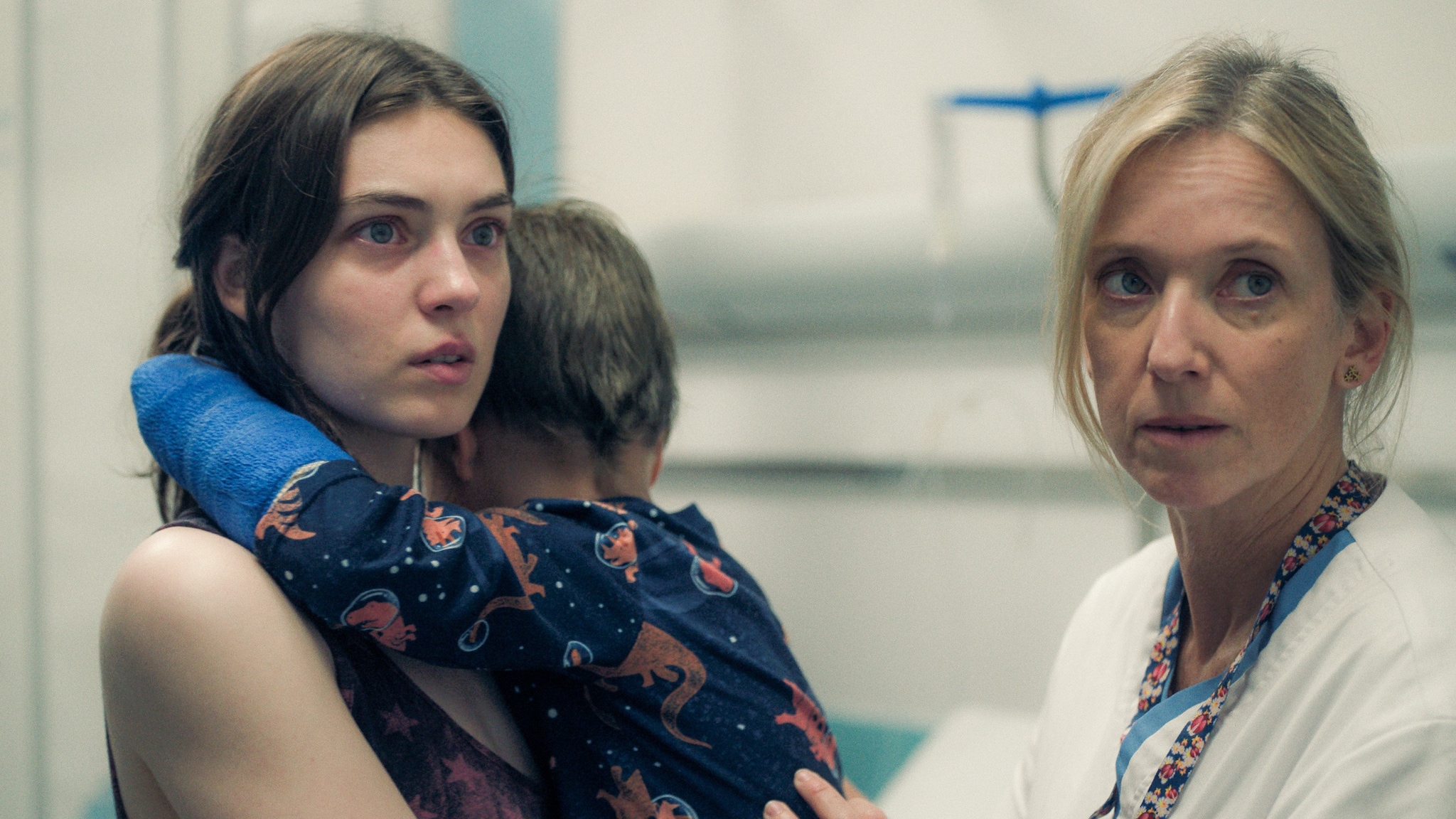
At the centre of the story is Adam, a four-year-old boy, admitted for malnutrition by court order. With him is his mother, authorised by the head nurse to stay with her son. Until the situation gets complicated.

As she had already shown in her previous film, Laura Wandel is above all a filmmaker of spaces, claustrophobic and a symbol of the impossibility of finding a way out of certain situations.

Keeping her camera in close contact with the characters on stage, the Belgian author keeps the pace high and the spectator involved, within a story full of ethical and moral elements to be reckoned with.

A few passages can be forced, but the overall design is effective and able to make up for some less successful moments than others.

A very good performance by the two actresses Léa Drucker and Anamaria Vartomolei, both of whom are called upon to two roles that are not easy.

L’intérêt d’Adam

Copyright reserved ©
Loading...

Brand connect

Loading...

Newsletter

Notizie e approfondimenti sugli avvenimenti politici, economici e finanziari.

Iscriviti