
Rejoining the Erasmus programme: how London moves closer to the EU
Agreement reached allowing Britain to rejoin the Erasmus+ student exchange programme. From 2027, tens of thousands of Italian, European and British young people will again be able to study or gain work experience in both EU countries and the UK
by Nicol Degli innocenti
 Aggiungi Il Sole 24 Ore
ai preferiti su Google
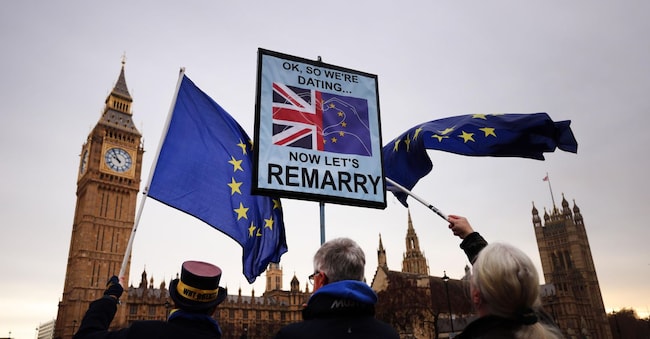
LONDON - A "big step forward": this is how the European Commission yesterday described the agreement allowing Britain to return to the Erasmus+ student exchange programme for the first time after Brexit. From 2027, tens of thousands of young Italians, Europeans and Britons will again be able to study or gain work experience in both EU countries and the UK.
"This is a huge win for young people, because it's not just about travelling but also about gaining skills for the future, succeeding in studies and giving the next generation the best possible opportunities," said Nick Thomas-Symonds, the UK government's EU relations officer, who negotiated the agreement with EU Commission Vice-President Maroš Šefčovič. 'The deal shows that our new partnership with the EU is working,' Thomas-Symonds added. The agreement is an important step in London's cautious rapprochement with Brussels initiated by Prime Minister Keir Starmer.
The Labour Party had pledged to reinstate the Erasmus+ programme in the election programme presented in the run-up to the 2024 vote, and yesterday it was able to keep its promise.
After the 2016 referendum that sanctioned Britain's exit from the EU, the then Prime Minister Boris Johnson decided to exit the Erasmus programme, which he described as too expensive, and promised to replace it with the Turing programme, which, however, never got off the ground.
Returning to Erasmus+ will cost £570 million in the 2027/28 academic year, the UK Department for Education has announced, pointing out that it has obtained a 'discount' of 30 per cent compared to the cost of joining the programme for non-EU countries.

