
Esselunga, Italy's largest delicatessen cooks 5 million lasagnas and 4 million chickens
In Pioltello (Milan), the 50-year-old structure now supplies 190 supermarkets with 250 of its own recipes: the ingredients used are taken from the brand's shelves without using semi-finished products

3' min read
3' min read
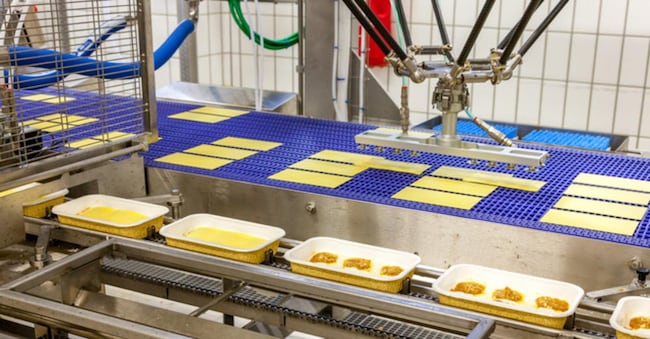
Italy's largest delicatessen is located in Limito di Pioltello, just outside Milan. And it has only one customer. In its 3,000 square metres it produces over 250 recipes under the Cucina Esselunga brand, prepared every day "on demand" by 260 staff and put on sale within 24 hours at a single retailer. This is the Esselunga Gastronomy, which is celebrating its first 50 years in business, during which it has accompanied (and shaped) the food tastes of Italians. Just think of its lasagne (best seller, with 5 million servings a year), which are now considered the benchmark for anyone who wants to produce them on a large scale. Or the escalation of cous cous, launched eight years ago and now the second best-selling item, with 2 million servings per year.
It was 1974 when Bernardo Caprotti decided to introduce this department in the Via Morgantini shop in Milan, the first to do so in the Italian retail scene, and 1990 when he started his own production and added shelves with trays of take-away ready meals. Today, the delicatessen is to be found in all 190 shops of the brand, of which it is one of the flagships with its wide and distinctive offer, ranging from ready meals to gourmand specialities (such as caviar and paella) via sliced cold cuts (75 million slices of ham alone) and 41 pieces of 250 different cheeses. In addition, there are 800 tonnes of fried food and the 'timeless' spit-roasted chicken (over 4 million pieces annually).
All recipes are developed by a special team of chefs and technologists, after scouting regional specialities and taking the top local producer as a benchmark, and after passing the scrutiny of four company teams. 50% are produced in the Pioltello plant, where 140 recipes are made every day based on the orders received from the shops the previous afternoon. The remaining half of the delicatessen products are prepared in the kitchens of the sales outlets, where the 'finishing' of certain dishes also takes place, such as the 'mantecatura' of risottos (1.5 million portions per year) or the stuffing of lobsters in bellavista. Then there are the limited-run productions, from the jellied canapés (2.5 million portions, 80% of which are made in the final 15 days of December) to the gastronomic panettone (30,000 pieces, mostly by reservation, prepared in just six days) to finish with the traditional Milanese cassoeula, distributed in only sixty or so sales outlets.
The evolution of the proposals signed Cucina Esselunga tells the story of the changes in the domestic diet of Italians: some recipes have been modified because they are too "vintage" (such as seafood risotto, revised in 2023) others have been replaced by more modern alternatives, such as potato croquettes that have taken the place of potato duchesse or chicken nuggets that have undermined the classic Milanese cutlet. And then there are the novelties introduced to go along with the new consumer trends, which veer towards the vegetable and ethnic, as witnessed by the success of sushi, which has now reached 40 variants, and the launch of a production line of fresh soups, which started in late spring and is now ready to debut with seven autumn recipes. "We are seeing good sales results above all from proposals that belong either to the Italian tradition or that push on innovation, such as international recipes," explains Giorgio Baldini, fresh purchasing manager.
In this flourishing business, whose sales volumes are growing steadily by a couple of percentage points a year, Esselunga (9.3 billion euro turnover and 699 million euro EBITDA in 2023) plays a dual role: it is both supplier and customer. In fact, the approximately 700 ingredients used are taken from the store's shelves, choosing the best quality and using only unprocessed raw materials, without resorting to semi-finished products, and choosing suppliers who, regardless of size, guarantee craftsmanship and specialisation.

