
ETS: the European Parliament gives initial approval to the new parameters: more free allowances for industry, priority for the ceramics sector. Orsini: let’s press ahead without hesitation
The European Parliament has given the go-ahead for the update of the heat- and fuel-based ETS benchmarks for the period 2026–2030

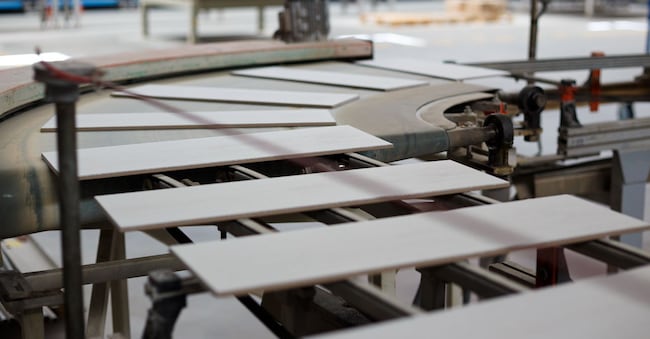
The European Parliament has approved the update to the heat- and fuel-based ETS benchmarks for the period 2026–2030, with the aim of increasing the number of free allowances allocated to industries. The European Parliament’s negotiating mandate was adopted with 474 votes in favour, 82 against and 28 abstentions.
The review of the benchmarks – the reference parameters used to determine the number of free allowances allocated each year to industries under the ETS – was announced last July. MEPs backed the EU Commission’s proposal to use all available allowances up to 2030 – estimated at 88 million – to which they are calling for a further 11 million allowances to be added, withheld from installations that have failed to comply with the conditions of the ETS, in order to release nearly 100 million additional allowances for industry.
MEPs are calling for the unused allocations to be divided between 11 million for the Modernisation Fund and 11 million for the Innovation Fund. The text of the mandate also includes the possibility of introducing specific benchmarks for certain industrial sectors, should significant distortions resulting from the application of a common fuel-based parameter be demonstrated: the new parameters will be calculated on the basis of the performance of the top 10 per cent of the most efficient plants in the sector. The MEPs’ proposal already identifies refractory materials and ceramic tiles as priority sectors for action.
Confindustria Ceramica: ‘Signs from the EU that it is paying attention to the new ETS parameters’
‘This vote recognises the valid arguments put forward by the ceramics sector. We had asked Europe to take notice, and it has done so. Parliament has understood that a one-size-fits-all standard is unfair and unjustly penalises a sector where emissions are difficult to reduce, which has invested over 4.5 billion over a decade to cut its emissions and which is not inevitably destined for decline, but whose future depends on the political choices that are made.” This was stated by the president of Confindustria Ceramica, Augusto Ciarrocchi, commenting on the European Parliament’s approval of the revision of the ETS heat and fuel benchmarks for the period 2026–2030, as proposed by the European Commission.
Ciarrocchi emphasises that what has been achieved is ‘a genuine system-wide initiative involving local authorities and the government, coordinated by Confindustria with the personal commitment of its president, Emanuele Orsini, who is well acquainted with the situation and the challenges facing the Italian manufacturing sector and the ceramics industry’.

