
Ets, von der Leyen: 'The revision will also be relevant for Italia'
The Italian proposal does not pass, but overnight the Twenty-Seven make 'new commitments to relaunch the single market in 2026-2027'
From our correspondent Beda Romano
 Aggiungi Il Sole 24 Ore
ai preferiti su Google
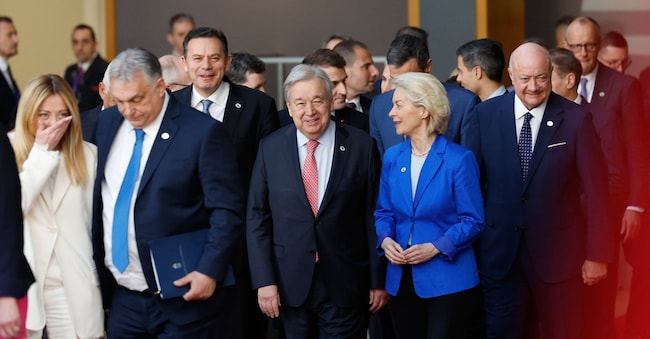
BRUSSELS - The war in the Middle East has made the need to strengthen Europe's competitiveness even more urgent. Grappling with a shock with potentially terrible outcomes, the Twenty-Seven made on the night of Thursday 19 to Friday 20 March new commitments to relaunch the single market in 2026-2027. On the energy front, the compromise includes targeted measures to reduce prices and a revision of the ETS market to be discussed by July.
In the conclusions of the summit, the Twenty-Seven called on the European Commission to present "temporary and targeted measures to deal with the recent spikes in fossil fuel prices". Regarding the nature of these measures, it says that they must 'take into account the technological neutrality and specific situations of the Member States, the particular exposure of certain industrial sectors to the risk of relocation'.
At a press conference here in Brussels late at night, European Commission President Ursula von der Leyen made it clear: "We are committed to collaborating closely with the Italian government on the decree (which in Italy is to act on energy prices, ndr), following the guidelines of the summit conclusions." He added: 'From Monday, consultations will begin and we are confident that we can make progress to address the specific problems of Italia in the short term.
There will be no shortage of stakes in the negotiations. Brussels wants to avoid unleashing a new drift in public debts. An EU official explained this week: 'We must avoid huge budgetary costs, as in 2022'. On the hypothesis of reforming the Ets market, as demanded by Rome, the Twenty-Seven expected the European Commission to present a revision hypothesis by July. Many governments are against touching up the mechanism in depth, but 'flexibilities' are possible, said France's Emmanuel Macron.
In the eyes of many governments, Italy's negotiating position on this specific front is weakened by the country's continued dependence on gas and the failure to use the resources generated by Ets to decarbonise the economy (just 9% of the total in 2012-2024, according to the Ecco research centre). Moreover, according to estimates by the European Commission's Energy Directorate, the share of Ets in industry's electricity bills was 11% in 2025 (compared to 5% in France, 14% in Germany and 24% in Poland).


