
Ets, Orsini (Confindustria): a minor revision, a blow to European industry
Urso: the EU’s proposal on the ETS is inadequate and too timid

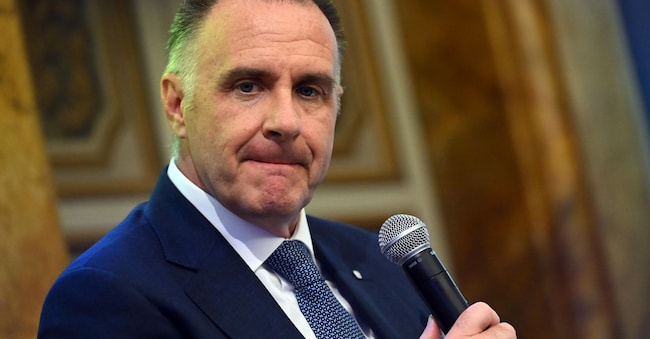
"The European proposal to revise the ETS is unsatisfactory for Italian industry, as demonstrated by today’s trend in the market price of allowances, which is rising. This is a sign that a far-reaching revision was expected, but one that has not materialised. The Commission’s proposal is limited to measures with only marginal effects in the short term and fails to address the structural weaknesses of the system within the global context.”
This was stated by Confindustria’s president, Emanuele Orsini, in a statement. “The allocation of a very small proportion of free allowances – which are, moreover, conditional on investments in decarbonisation – and the absence of any measures to reduce the volatility of CO₂ prices and financial speculation alarm us, but they will not stop us. We will continue this fight in a constructive spirit and with even greater determination, alongside our European partners, for an ETS system that protects the climate without sacrificing industry, jobs, investment and European manufacturing sovereignty.”
Urso: the EU’s ETS proposal is inadequate and too timid
The reform of the ETS is “absolutely necessary and urgent” but “the proposals the Commission has put before us today are still insufficient and too timid”. This was stated by the Minister for Enterprise and Made in Italy, Adolfo Urso, on the sidelines of an ECR Party event in Catania. “We will be holding intensive discussions over the coming days, first and foremost with the industrial sector, to understand how to improve those proposals so that they are truly effective in supporting businesses” and “with the other Member States with whom we have shared a proposal – one that is truly bold, responsible and structural – so that now that the reform process has finally begun, including for the ETS, we can achieve objectives that are genuinely capable of supporting our businesses in the challenge of decarbonisation. What has been put before us is, quite frankly, far too little.”

