
EU climate target agreement, -90% harmful emissions by 2040 with flexibility
The subject of the negotiation between the governments ahead of the next confrontation with Parliament was the European Commission's proposal
From our correspondent Beda Romano
 Aggiungi Il Sole 24 Ore
ai preferiti su Google
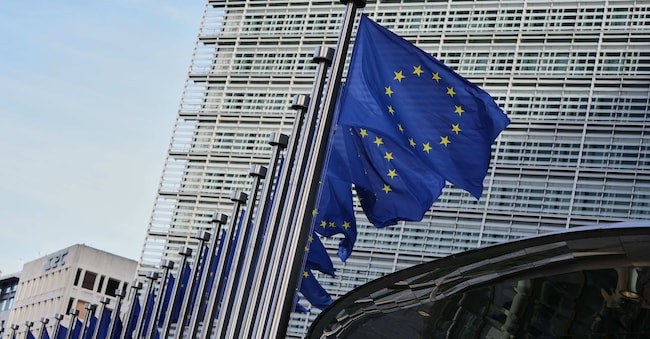
BRUSSELS - After heated diplomatic negotiations lasting almost 24 hours, environment ministers reached a compromise on the 2040 climate targets here in Brussels on Wednesday, 5 November. The understanding prepared by the Danish EU presidency introduces various elements of flexibility, while leaving the main target unchanged: a 90 per cent reduction of harmful emissions compared to 1990 figures.
The subject of negotiations between the governments ahead of the next confrontation with the Parliament was a proposal of the European Commission to reduce harmful emissions by 90% by 2040, compared to 1990 (see Il Sole/24 Ore of 3 July). In order to accommodate countries that are against overly burdensome targets, Brussels envisaged that 3% of the decrease could be achieved through environmental projects in third countries (so-called international credits).
The compromise provides for the 90% target of reduction of harmful emissions to be "legally binding", as Danish Environment Minister Lars Aagaard explained. As mentioned, the European Commission's proposal was 3% so-called international credits. This percentage was increased to 5%, effectively reducing the domestic target to 85%.
According to information gathered here in Brussels on the sidelines of the meeting, Hungary, Poland and Slovakia among others voted against the compromise. Belgium and Bulgaria abstained. "On the climate law we got the support of 81.9 per cent of the population and 21 countries," explained a spokesperson of the Danish presidency. The agreement includes a clause to review the legislation every five years. Italian environment minister Gilberto Pichetto Fratin called the agreement 'good'. The 'demands we brought forward as Italy' were recognised.
In particular, according to EU representatives, the Italian government has obtained that in preparing future legislation the European Commission should also take into account the role of biofuels in the decarbonisation of the automotive sector. In this regard, we know that the EU executive is expected to publish proposals shortly to adjust the regulation banning thermal vehicles from 2035 onwards.


