
EU agreement on new sanctions against Moscow; price cap on crude oil put on hold
Athens has given its backing following the one-year postponement of the ban on the transport of Russian LNG. The measures on oil are expected to cost Moscow 3.5 billion euros a year
from our correspondent Beda Romano
 Aggiungi Il Sole 24 Ore
ai preferiti su Google
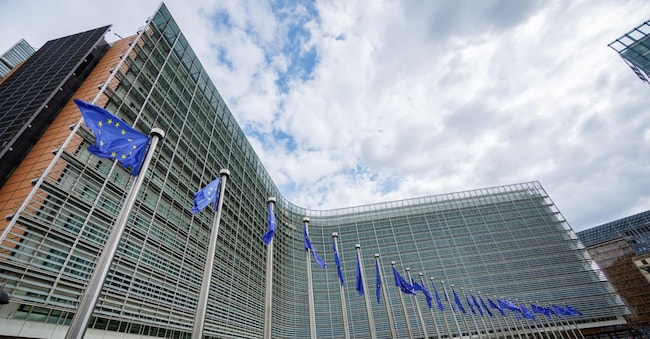
BRUSSELS – Following lengthy diplomatic wrangling, the member states of the European Union today, 23 July, adopted a 21st package of sanctions against Russia in response to the war in Ukraine. The measures target numerous individuals and entities, including many Russian banks. At the same time, under pressure from Greece (and to Moscow’s advantage), the EU-27 have decided to postpone the ban on the transport of Russian liquefied natural gas to third countries by one year.
This last point has significantly slowed down the adoption of the sanctions package. In October 2025, the EU-27 decided to ban the purchase, import and transit of Russian liquefied gas from 1 January 2027. Athens has voiced its concerns in recent days, arguing that the measure posed a threat to its shipowners. It has therefore secured a one-year postponement of the measure, but only in respect of transport to third countries.
According to information gathered here in Brussels, the extension – which applies only to contracts signed before the outbreak of the war – may be renewed. Furthermore, it has been decided to cap Russian liquefied natural gas transport capacity at 2025 levels. Greece dominates the European market for LNG carriers and is one of the leading players globally, competing with Japan, China and the United States. The compromise was dictated by the need for unanimity amongst member states.
The High Representative for Foreign Affairs and Security Policy, Kaja Kallas, has described the package as the most significant in the last four years. The restrictive measures target 218 individuals and entities. “We have targeted more than a hundred banks and operators in the cryptocurrency sector, over 40 vessels in the shadow fleet and several oil refineries in Russia and Belarus, which are helping to sustain Moscow’s war,” the former Estonian prime minister wrote on X.
The package provides for the oil price cap to be frozen at $44.10 per barrel. It should be noted that the sanction prohibits the transport of Russian crude oil when the price exceeds a certain level (roughly a six-month average). The sharp rise in oil prices in the wake of the war in Iran has been entirely to Moscow’s advantage. Hence the EU’s proposal to freeze the cap for six months. The EU-27 have extended the period to 12 months (it is estimated that Moscow’s loss of revenue over a year will amount to €3.5 billion).


