
Budget: to break the deadlock, the EU is banking on new own resources
The current proposal is too onerous for some countries and not generous enough for others. The Irish Presidency will present a new financial plan by October
from our correspondent Beda Romano
BRUSSELS – Against a backdrop of financial constraints at national level and new ambitions at EU level, the 27 Member States decided yesterday to relaunch work on own resources – that is, the revenue intended to finance the next budget for 2028–2034. By October, the next rotating presidency of the European Union, held by the Irish government, will have to present a package of proposals that is ‘ambitious and balanced’.
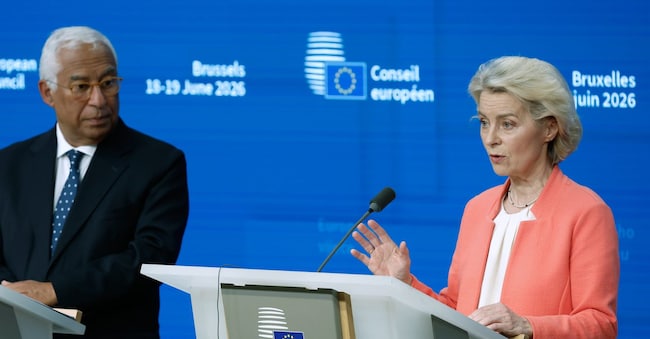
“We need an agreement on the future budget by the end of this year. It is the only way to ensure that funds continue to reach our citizens without interruption from 2028 onwards,” explained the President of the European Council, António Costa, yesterday at a press conference following the EU summit in Brussels. “We need new resources to reach an agreement on the budget in December,” added the former Portuguese Prime Minister.
The European Council meeting held between Thursday and Friday here in Brussels served to set out new guidelines for EU leaders. We are aware of the current situation. The Cypriot Presidency has presented a draft budget that reduces the total amount by 2 per cent compared with last year’s proposal from the European Commission. The financial plan has been criticised by many, if not all, countries. Too costly for some. Not generous enough for others.
In the meantime, some progress has been made. Member states have reached at least a partial agreement on the budget’s implementing regulations, relating to national and regional partnership plans, the Competitiveness Fund and the instrument dedicated to Europe’s international role, known by the English term ‘Global Europe’. The ‘financial equation’ – as the balance between revenue and expenditure is known – remains to be resolved.
The key issue is that of own resources. Both the Commission and Parliament have put forward proposals ranging from a tax on online gambling to a financial contribution from the largest companies. Yesterday, leaders gave the incoming Irish presidency a mandate to present a new financial plan (negobox in EU jargon) in October, as well as a package of own resources that is ‘ambitious and balanced’, a European official said.


