
From heat pumps to electric car charging points: the subsidies provided for under the EU energy clause
As expected, the EU has clarified that subsidies for the purchase of fossil fuels are excluded

Key points
Households will be able to invest in solar panels, geothermal systems, home energy storage batteries and heat pumps to replace fossil fuel-fired boilers, as well as in moderate or extensive home renovations. For businesses, on the other hand, the focus will be on industrial decarbonisation technologies and measures to improve the energy efficiency of buildings. Furthermore, public authorities will be able to invest in the on-site generation and storage of renewable energy and in the refurbishment of public buildings. In all three cases, however, subsidies will be available for electric cars – not for the vehicles themselves, but for charging points.
This is set out in the European Commission’s communication, which has just been published in the Official Journal of the EU, and which explains the criteria for triggering the national safeguard clause – now extended to cover energy security measures – by way of derogation from the constraints of the Stability Pact.
As the document emphasises, this flexibility applies only to measures decided upon after 28 February 2026, to prevent Member States from using it to cover budgetary decisions already taken previously.
No subsidies for excise duty cuts
A document which makes it clear – though this was already known – that there will be no flexibility to subsidise the purchase of fossil fuels. This issue will once again take centre stage in Italia as early as next week, when the Government will have to work out how to continue the fight against high fuel prices (there is currently a 17-cent reduction per litre on diesel), with prices currently hovering around 2.1 euros per litre for diesel and 2 euros for petrol. As regards the excise duty cut, therefore, no deviation will be permitted.
Including nuclear power stations
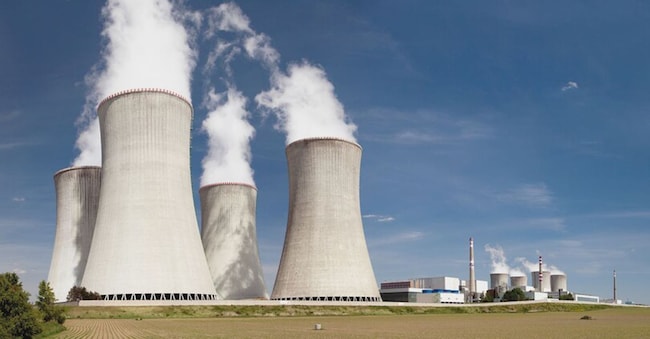
It will, however, be possible to invest in public transport infrastructure, such as trams, underground railways and railway rolling stock. The energy sector in the strict sense – which is listed as a separate item in the table – includes investments in renewables, battery and storage technologies, electricity grids, hydrogen production via electrolysis, system-wide energy efficiency, sustainable renewable fuels and – amongst the less obvious items – nuclear power stations as well.

