
EU, new sanctions package against Russia approved. 90 billion loan also unblocked
Brussels reaffirms its willingness to move away from energy dependence on Moscow, focusing on coordination and stocks to deal with the emergency of the war in the Gulf

Coreper (the technical body of ambassadors that prepares EU Council ministerial meetings) unblocked, today in Brussels, the two dossiers concerning the EUR 90 billion loan to Ukraine and the 20th sanctions package against Russia, which Hungary - exercising its right of veto - had so far held hostage, pending the reopening of the Druzhba pipeline.
The two decisions will be formalised by written procedure by tomorrow afternoon, if no member state objects in the meantime.
The new sanctions package against Russia was deliberated after Hungary lifted its veto. This was reported by the Cypriot Presidency of the EU Council. The aim is to strengthen the pressure on energy, finance and industry against Russia, with the aim of hitting Moscow's revenues and limiting its war capability. On the energy front, new restrictions on oil and gas are planned, along with measures against the so-called shadow fleet of oil tankers used to circumvent sanctions. Tightening also on transport and logistics, with restrictions on access to European ports for vessels linked to Russia and possible restrictions on maritime services related to the crude oil trade.
The package also introduces sanctions in the financial and technology sector, targeting banks and financial services, banning certain activities related to cryptocurrencies, and strengthening anti-avoidance mechanisms also towards third countries and intermediaries. On the industrial and commercial level, the EU expands bans on metals, chemicals and other strategic goods, directly targeting Russia's military-industrial complex, including the production of drones. Finally, the list of individuals and entities subject to personal sanctions is extended, with asset freezes and targeted restrictions. The EU had originally hoped to launch the new package, the 20th, to coincide with the fourth anniversary of the Russian invasion of Ukraine but the Hungarian veto forced Brussels to postpone its adoption.
Jorgensen confirms stop on Russian energy
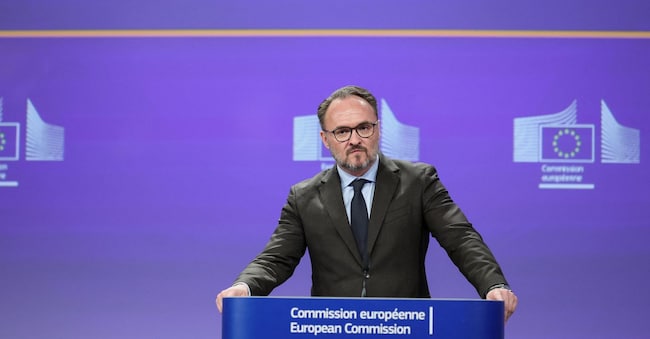
"The Commission's decision is very clear. No, in the future we will no longer import a single moleculeof Russian energy. This is how the European Energy Commissioner Dan Jorgensenconfirmed Brussels' willingness to break free from imports from Moscow. "Because Putin has been using energy to blackmail EU member states and, finally, because when we buy, if we buy his energy, we are also indirectly contributing to supporting the war against our friends in Ukraine - added Jorgensen - It would therefore be a terrible mistake and we will not change our plans in any way. We have adopted the legislation, it is being implemented, and we will soon get out of a dependency that, frankly, we should have gotten rid of many years ago."

