
EU countries in search of funds but few yes to patrimonial assets
Only three countries in Europe currently tax wealth as a whole. Meanwhile, all except Denmark and Malta have postponed the presentation of their multiannual public finance plans
by our correspondent Beda Romano
 Aggiungi Il Sole 24 Ore
ai preferiti su Google
3' min read
3' min read
LUXEMBOURG - It is a very tortuous path that European governments have taken in recent weeks, called upon to apply the new budgetary rules in a particularly uncertain political and economic context. While many member states have decided to postpone the presentation of the multi-year public finance plan, others are reflecting on the (controversial) hypothesis of introducing wealth taxes in order to put public accounts in order.
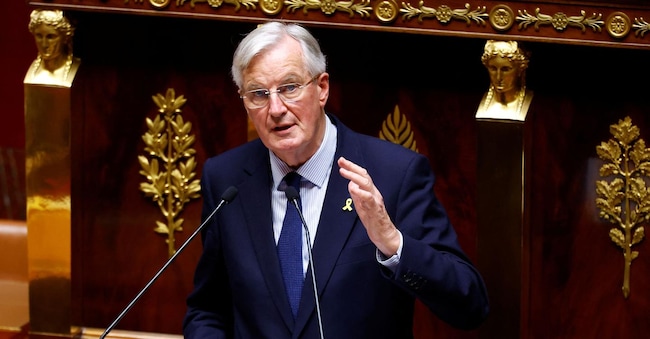
The latter hypothesis is not only discussed in Italy. It has also emerged in France. The new premier Michel Barnier announced in recent days a contribution from the richest, with the aim of recovering up to EUR 2 billion in 2025. "The effort", so he said, should concern 65,000 households, compared to the 20 million households paying income tax. This would be an additional taxation on top of the already existing tax on the real estate fortune.
The Tax Foundation Europe study centre explains in a recent report that only three countries in Europe currently tax wealth as a whole: Norway, Spain, and Switzerland. Other countries tax only certain assets: France (real estate), Italy (financial and real estate assets held abroad), Belgium (financial portfolios worth more than EUR 1 million) and the Netherlands (which taxes wealth, excluding the house of first residence and certain particular assets).
According to information gathered on the sidelines of a meeting of finance ministers in Luxembourg, the idea of new wealth taxes does not seem to be at the centre of the national debate in other countries. On the other hand, the situation is patchy; not everyone has accounts in disarray like France or Italy. Above all, for years now, in the eurozone, taxation has been an instrument of competition to attract new investments or new residents.
That said, the 2025 budget is difficult for many. The new Stability Pact, which was approved at the beginning of the year, stipulates that member countries should have submitted their multi-year fiscal consolidation plans by 20 September. Only two countries - Denmark and Malta - met the deadline. All others requested a postponement. The European Commission expects most of the plans to be sent to Brussels together with the budget drafts expected by 15 October.


