
EU court bans Pablo Escobar trademark: undermines public order
Even dead, and 10,000 km from Medellin, the boss's signature is a public order issue
2' min read
Key points
2' min read
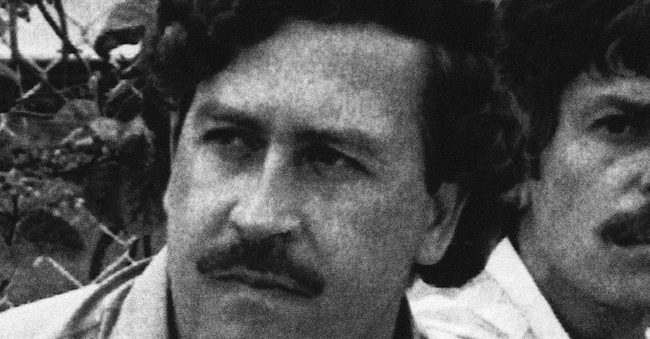
Pablo Escobar may have done 'good things', as the lawyers of Escobar Inc. - headquartered in Guaynabo, Puerto Rico -, but perhaps it is not the case to flood the market of the old continent with products of all kinds bearing the name of the most famous narcoboss in history: in the request for registration, in fact, there is everything, from underwear to toothpaste, from whips to saddlery, from lace to firearms, passing sinisterly through 'artificial limbs, eyes and teeth' with relative 'apparatus and surgical instruments', all 'made in Escobar'.
Yes, because this is the second time the American company has tried to extend to Europe the 'resonance' of a name/brand that is sure to cause a frisson in anyone who hears it, let alone a potential consumer. Faced with the first refusal by the Fifth Board of Appeal of the EU Office for Intellectual Property (Euipo, February 2023) - which had deemed it at least inappropriate to revive and circulate the effigy and deeds of the terrifying Colombian boss - Escobar Inc. appealed (Case T 255/23) trying to convince the judges on a couple of basic concepts.
Charitable works at home
.The first point, let's say counter-intuitive, that the late leader of the Merdellin cartel in his short life (killed by the police in 1992 in a trashy-movie gunfight, at the age of 43) had 'performed charitable works in his homeland'.
Loading...
Presumed innocent
.The other concept, even more legally brilliant, would have it that the richest narco-boss in history actually died 'presumed innocent', since no court sentence ever weighed on his head. This is a true circumstance, even leaving aside the three years of self-imposed incarceration in the Catedral (a palace halfway between a spa and a central bank) self-inflicted at the end of a grotesque 'plea bargain' with the authorities. The point, however, according to the Union judges at first instance (we already take the appeal to the CJEU for granted), is that Pablo Escobar in the average Spanish population - chosen by the magistrates as a representative thermometer of continental common feeling, speaking the same language as the bandit - arouses a feeling of fear and revulsion, or rather "upsets not only the public targeted by the goods and services designated by the sign, but also other people who, without being interested in those goods and services, will incidentally encounter that sign in their daily lives". That is to say, even dead, and 10,000 km from Medellin, Pablo's signature is a public order issue. So much for his misunderstood 'good works'.
Copyright reserved ©


Brand connect
Loading...
