The impact on Italia

EU-India agreement, from cheese to sweets to wine: which Italian products can benefit and which cannot

The trade agreement may open up great opportunities for the made-in-Italy agri-food sector, but not for all sectors

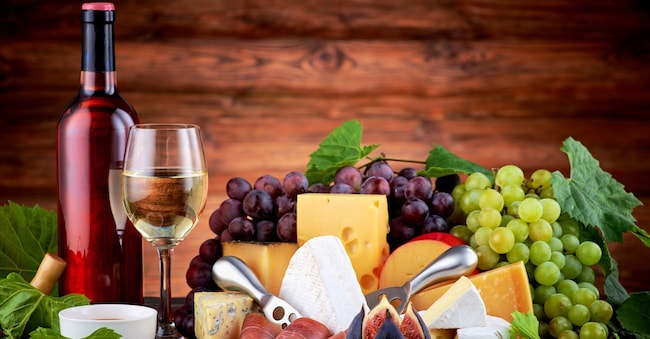
by Giorgio dell'Orefice

(AdobeStock)

3' min read

Translated by AI
Versione italiana

3' min read

Translated by AI
Versione italiana

With the EU-India trade agreement, great opportunities may open up for the Made in Italy agri-food sector, but not for all sectors. Some types of production will in fact benefit from the opening of one of the largest markets in the world (with 1.4 billion inhabitants), but others are unlikely to gain.

The Indian population is essentially vegetarian and therefore among the sectors that are unlikely to benefit from the opening of borders are two that are real flagships of the made-in-Italy food industry. Out of the picture are, for example, Italian cured meats, which will not be able to make their way onto Indian tables even if tariffs on entry to that market are reduced to zero.

Loading...

Similarly, there will not be much opportunity for the dairy sector. Not because Indians are against milk (on the contrary, India is one of the world's largest producers) but because of the aversion, or rather the outright ban on the use of animal rennet. This puts Italian-made cheeses out of the running.

So far the sore points. But great opportunities are also to be expected from the agreement. In fact, significant market opportunities could open up for olive oil, even if there is a huge task of bringing it closer to consumption for people who have hardly had contact with the prince of the Mediterranean Diet so far.

Similarly, large spaces can be opened up for the confectionery and bakery sector. This category now boasts genuine fans worldwide and has all the credentials to make inroads into the palates of Indian consumers as well.

Where there are really high expectations is in the wine and spirits sector. Sectors that until now have been heavily penalised by the very heavy tariffs on entry: there is talk of taxation percentages of up to 150% and which, with the agreement, will now gradually (within 7-8 years) come down to close to the 20% threshold.

This would open up a truly boundless prairie for Italian wine and spirits. Suffice it to say that, due to high tariffs, last year European wines worth around 7 million arrived in India. And just 2 million was the turnover in India for Italian wines out of a total export turnover of 8 billion.

"This partnership," commented the President of the Italian Wine Union, Lamberto Frescobaldi, "offers a commercial opportunity in a market with a rapidly growing middle class, but above all it represents a clear and positive reaction of the EU to the geo-economic tensions suffered by the Old Continent. Italia wine is in dire need of open trade policies to further diversify a still limited range of action, if we consider that 60% of its exports are concentrated in just 5 countries. This agreement, like the one with Mercosur - for which we hope for provisional application - is therefore important and demonstrates the importance of business diplomacy'.

"The signing of the free trade agreement with India," commented Federvini president Giacomo Ponti, "represents a milestone of extraordinary value for our sectors and for the European economy as a whole. We express our satisfaction for the commitment of the European Commission in removing barriers that, for decades, have made our production marginal in a market with broad prospects for development. The progressive reduction of tariffs, which will fall by up to 20-30% over seven years, finally restores competitiveness to our products. In an international scenario marked by instability and the need for diversification, the opening up of India constitutes a strategic growth guideline for the resilience of our supply chain'.

Where satisfaction borders on enthusiasm is at the distillates and grappa producers' association. "Thanks to the reduction of tariffs on spirits from 150% to 40% envisaged by the agreement," commented Assodistil, "imports of spirits and liqueurs from EU countries to India will be favoured, a country characterised by high consumption of spirits (over 23 billion dollars) and in particular of spirits such as Whisky, Brandy and Rum, which represent 80% of sales. India also boasts a young middle class oriented towards premium and super-premium quality products, and it is clear that this situation opens up opportunities for products of excellence made in Italia, such as Grappa IG and Brandy Italiano IG, which stand out for their quality, strong identity and link with the territory, all characteristics that are particularly appreciated by Indian consumers'.

Copyright reserved ©

Brand connect

Loading...

Newsletter

Notizie e approfondimenti sugli avvenimenti politici, economici e finanziari.

Iscriviti