EU, the work of the new Culture Commission begins: what challenges await it?
Policy Budget 2025 and urgent political issues in the sector central points on the agenda of the first meeting where Italy is the most represented country

4' min read
Key points
4' min read
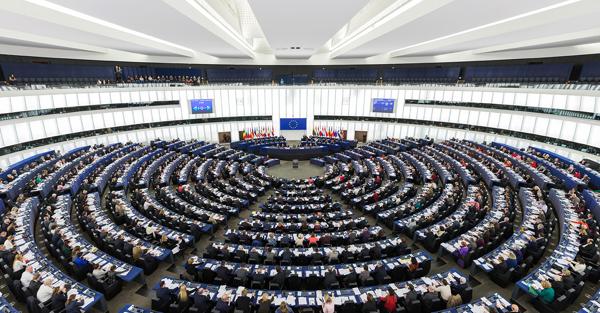
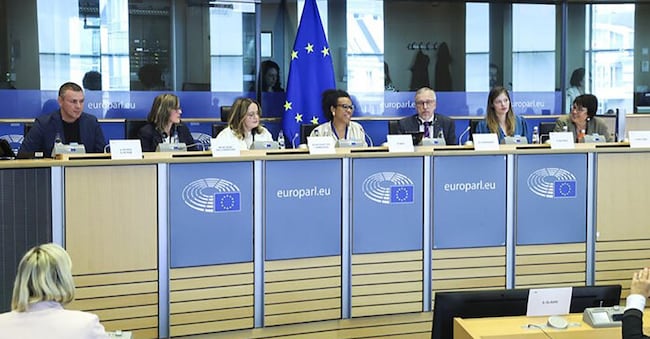
Summer is over also in Brussels where, on 4 September, the newly elected Permanent Committees of the European Parliament convened, including the CULT Committee, the Commission responsible for EU policies in the field of education, culture and sport in office until 2028. Composed of 30 MEPs, the Commission is chaired by the German MEP Nala Riehl (Greens/ALE) who, on 23 July, won the prestigious presidency from the extreme right-wing group Patriots for Europe, which had nominated the French Malika Sorel. A decisive role that of the Culture Commission, which, let us remember, in the last parliamentary term (2019-2024) managed to negotiate the doubling of the budget of the Creative Europe Programme from 1.47 billion for the period 2014-2020 to 2.44 billion in 2021-2027 and, not least, enacted the European media freedom Act, a regulation aimed at ensuring the transparency and independence of the media in Europe, the implementation and monitoring of which will be among the main tasks of this mandate.

Budget Amendments 2025
The first agenda item examined by the members of the Commission concerned the work plan of the Committee's directly managed programmes, specifically Creative Europe, Erasmus+ and the European Solidarity Corps, for which an adjustment of the budget envisaged by the Multiannual Financial Framework 2021-2027 was proposed. In this context, the European Parliament followed the direction suggested by the European Commission and approved an increase of the total budget for the three programmes by EUR 126.5 million. As far as Creative Europe is concerned, to the Commission's proposal to increase the 2025 budget by EUR 352 million, the Parliament added a further EUR 48 million, bringing the overall increase to about +6% compared to the 2024 budget. However, it is important to emphasise that the proposal, which is to be adopted by the European Parliament by October, envisages a significant reduction in the resources allocated to the last two years of the current Creative Europe cycle (2026 and 2027), for which the budget will be reduced to around EUR 250 million per year, marking a significant drop compared to previous periods.
Next steps on the political agenda
.Following the speech of Pia Ahrenkilde Hansen, Director General of DG EAC (Education, Youth, Sport and Culture) of the European Commission, the study entitled "EU policy in the cultural and creative sector - overview and future perspectives" was presented. The report, commissioned by the previous CULT Committee (2019-2024), aims precisely to provide an overview of the main challenges and opportunities that the cultural and creative sector will face during the 2024-2029 term of the European Parliament.
The study opens with an analysis of the policies adopted by the sector during the previous legislature, a period marked by profound crises and systemic transformations, such as the COVID-19 pandemic and the war in Ukraine, which had a devastating impact on professionals in the cultural sector, requiring urgent and extraordinary economic interventions to ensure its survival. The report goes on to examine two macro-issues, which have now become structural for the sector and which the new CULT Committee will have to address. Firstly, it highlights the need to reinforce the political relevance of the cultural sector by integrating it more into the future strategic agendas of the European Union; secondly, it tackles the age-old issue of economic precariousness that has always plagued the sector, and which is increasingly aggravated by the predominance of short-term funding. In concrete terms, the study highlights four areas of intervention that will require the development of a targeted policy strategy in the coming years:
- Integration into transformative policies, incorporating the cultural and creative sector within the Union's social and economic policies, promoting greater cross-sectoral collaboration.