
EU allies to Kiev: air defence and troop training priorities
Met by NATO Secretary General, Ukraine's main European allies confirm their support for Ukraine in the war against Russia
From our correspondent Beda Romano
 Aggiungi Il Sole 24 Ore
ai preferiti su Google
2' min read
2' min read
BRUSSELS - Meeting under the auspices of Nato Secretary General Mark Rutte, Ukraine's main European allies reiterated their willingness to continue supporting Kiev in its war against Russia. According to a European source, the participants of the meeting agreed that priority should be given in particular to the provision of air defence systems and the training and equipping of Ukrainian brigades.
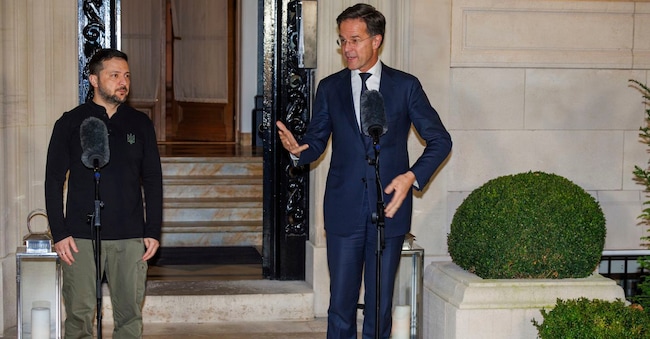
The meeting took place last night, Wednesday 18 December, at the residence of the secretary-general here in Brussels. In attendance were German Chancellor Olaf Scholz, Italian Prime Minister Giorgia Meloni, Polish President Andrzej Duda, Dutch Prime Minister Dick Schoof, Danish Prime Minister Mette Frederiksen, French Foreign Minister Jean-Noël Barrot, British Foreign Minister David Lammy, European Council President António Costa and European Commission President Ursula von der Leyen.
After hearing Ukrainian President Volodymyr Zelensky speak about Ukraine's needs at this stage of the conflict, discussions focused on the military and economic support that can be provided to the warring country. As mentioned, the participants agreed that priority should be given in particular to the provision of air defence systems and the training and equipping of Ukrainian brigades.
In addition to the support already provided, the UK agreed to continue training 30,000 soldiers, indicating that this number could rise to 100,000 soldiers with the support of the allies. For its part, the European Commission decided to continue to develop support for the Ukrainian energy infrastructure in order to repair it to meet Ukraine's energy needs.
Finally, the European institutions reaffirmed the availability of funding for 2025 (over EUR 30 billion) and agreed to continue working on funding options for the future. More generally, there is a growing feeling that in 2025 Ukraine and Russia might sit at the negotiating table. Not least at this stage both are trying to strengthen their position: Moscow on the battlefield, Kiev gaining new support from its partners.


