
The EU is making gradual progress on energy, despite the row over the ETS
The 27 member states have called for further measures to tackle the energy crisis. On the issue of the emissions trading market, the European Commission has been asked to update the impact assessment of the ETS 2 system
from our correspondent Beda Romano
 Aggiungi Il Sole 24 Ore
ai preferiti su Google
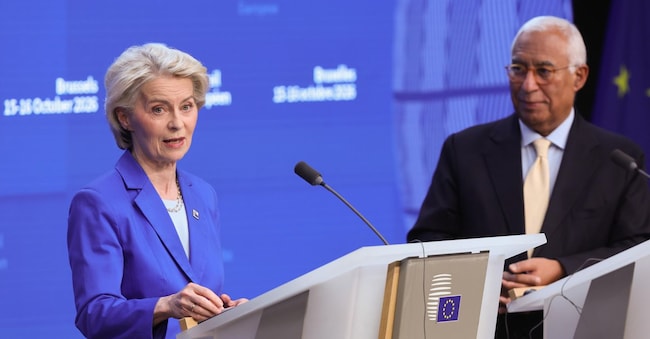
BRUSSELS – Setting aside the political disagreements, all centred on whether or not to water down the ETS market for trading harmful emissions, the two-day European summit that concluded yesterday made it possible to outline a strategy on the sensitive issue of energy. The results were patchy, but at least they were not without substance. More generally, the discussions highlighted almost philosophical differences between member states on how to tackle the current economic situation.
Let us turn to the less controversial aspects. The European Council reiterated that national measures must be ‘temporary and targeted’. The 27 Member States also welcomed a number of initiatives by the European Commission: the postponement of the entry into force of a regulation on methane emissions from petroleum products; new measures to boost refining capacity; the extension of state aid for the most vulnerable industrial sectors; and the pooling of demand for raw material purchases.
The European Council also called on ‘the European Commission to examine and, where necessary, propose further measures to tackle the sharp rise in energy prices in the short term, taking into account the specific circumstances of Member States, including differences in electricity prices’. Attention turns to a number of initiatives that have been circulating in recent days concerning the quality requirements for fuels and biofuels.
Italia, along with a number of Eastern European countries, has fought against the ETS, the carbon emissions trading scheme. We are familiar with the principle behind this scheme: polluters must purchase emissions allowances. The aim is to encourage decarbonisation. The Meloni government considers the scheme too costly, particularly in the current economic climate. There are two markets. ETS 1 covers industrial activities and has been in place for over twenty years.
The ETS 2, on the other hand, will cover road transport and the property sector. Following an initial one-year postponement, it is now set to come into force in 2028. Italia and its allies have called for a postponement until 2030. Many countries have opposed this, particularly those in Northern Europe which have made substantial investments to adapt to climate change and the energy transition. These include, in particular, Sweden, Denmark and Finland. France and Germany are also reluctant to change the existing framework.


