
EU Parliament under pressure: increase budget by 10%
MEPs demand more resources than the Commission proposal, to finance old and new priorities. Budget 2028-2024 still set at 1.27% of gross national income, but excluding reimbursements from NextGenerationEU
from our correspondent Beda Romano
 Aggiungi Il Sole 24 Ore
ai preferiti su Google
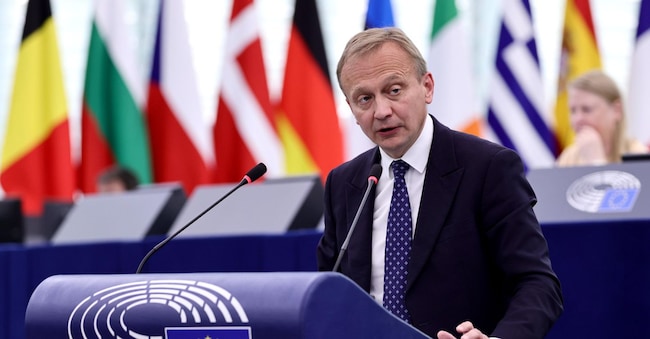
BRUSSELS - The European Parliament passed a resolution in Strasbourg yesterday urging member states to adopt a budget for the 2028-2034 seven-year period that is capable of addressing both old and new EU priorities in an uncertain global context. The resolution envisages a 10 per cent higher amount than the European Commission's proposal of last July. The initiative comes as the Twenty-Seven have just begun political negotiations.
The resolution was passed with 370 yes, 201 no and 84 abstentions. "It is not possible to do more with less resources. That is a myth," said the budget rapporteur, Romanian People's MP Siegfried Mureșan, addressing the countries most concerned about increased spending. The Parliament's aim, he added, is to fund new priorities, such as defence and competitiveness, "while continuing to ensure funding for traditional priorities, namely agriculture, fisheries and regional policy".
In July last year, the European Commission had presented a budget proposal of 1.27% of gross national income, including expenditure for the reimbursement of the NextGenerationEU, the EUR 800 billion aid package launched at the time of the pandemic outbreak. The European Parliament's proposal, released yesterday, is worth 1.27% of gross national income, but excludes the reimbursement of the NGEU.
"The European Union has to face new realities, new crises, new responsibilities," said European Parliament President Roberta Metsola at a press conference. Besides increasing the size of the budget, Strasbourg proposes to introduce more flexibility in the use of money. "If countries do not want to increase their national contribution to the budget, which is understandable given the financial constraints, we just have to find new resources," added MEP Mureșan.
The European Parliament has therefore proposed three new sources of revenue: a levy on digital activities, a tax on cryptocurrency transactions, and a tax on online games and gambling. A Europe-wide digital tax is likely to encounter strong opposition from the United States, where most of the big technology companies are based, even though levies on digital activities are already in place in some countries, including Italia.


