
Cars: EU Parliament gives initial green light to flexibility on 2035 emissions reduction targets
MEPs are proposing to reduce the CO₂ emissions reduction target for the entire fleet by 2035, from 100 per cent to 87.5 per cent

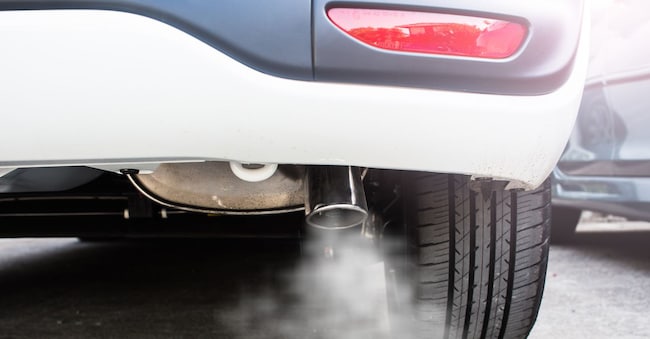
The European Parliament’s Environment Committee has adopted its negotiating position on the revision of CO₂ emission reduction targets for new cars and vans, introducing incentives for environmentally friendly vehicles manufactured in the EU. The text was approved by 48 votes in favour, 30 against and two abstentions. The mandate for negotiations with governments is expected to be voted on during the December plenary session.
As regards cars, MEPs are proposing to reduce the CO₂ emission reduction target for the entire fleet by 2035, bringing it down from 100 per cent to 87.5 per cent. To reach a 95 per cent threshold, manufacturers could offset residual emissions (up to a maximum of 7.5 per cent of the 2021 benchmark) by using credits linked to the use of low-carbon steel produced in the EU.
“The compromise approved today by the European Parliament’s Environment Committee (Envi) on the revision of CO₂ emissions rules represents a step forward, but greater ambition and flexibility are needed to safeguard the competitiveness of the European automotive industry.” This is the message from Confindustria and the BDI, the German industry association, which, in a joint statement, are calling for greater technological neutrality in the forthcoming interinstitutional negotiations.
The two organisations are calling in particular for an ‘unconditional 90 per cent reduction in the emissions reduction target for the vehicle fleet’ and are asking for a review of the restrictions on permissible fuels, to ensure a level playing field for vehicles powered exclusively by such fuels, the so-called Veefs, and to provide a stable framework for investment’, reads a statement. ‘The call is for legislation capable of supporting decarbonisation whilst safeguarding industrial competitiveness and employment. In this context, Confindustria and BDI oppose the introduction of mandatory quotas for company fleets and advocate an approach that takes into account the specific circumstances of manufacturers with low production volumes. For fleets, they point to indicative and realistic national targets for zero- and low-emission vehicles as a benchmark’. Whilst acknowledging “the improvements compared with the European Commission’s initial proposal, the representatives of the Italian and German industries are therefore calling for further progress in the trilogues. The discussions must lead to rules that are practically applicable by businesses, open to different technologies and capable of securing a future for the entire European automotive supply chain, whilst safeguarding the climate”.

