
EU prepares grip on Russian defence and assets, drones banned before summit
The new anti-drone wall will be discussed, as well as the European Commission's proposal to use Moscow's frozen reserves to finance Kiev, which received an initial positive reception. On the leaders' table nine priorities
from our correspondent Beda Romano
 Aggiungi Il Sole 24 Ore
ai preferiti su Google
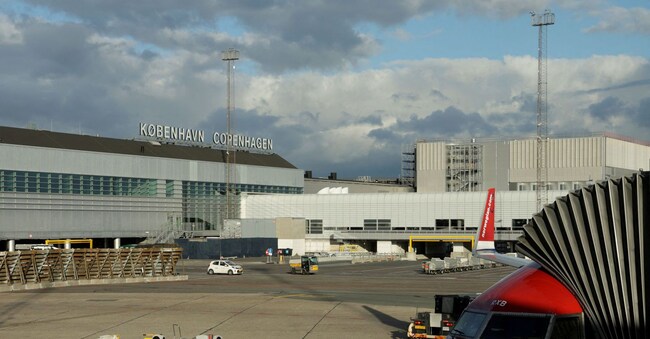
BRUSSELS - A month of October packed with EU events, including two European summits, begins today, Wednesday, with a summit of heads of state and government in Copenhagen. On the table is ultimately the future of Ukraine, as well as European defence. The most optimistic hope that the increasingly uncertain international context will lead to new cohesion among member states.
On the defence front, the aim of the informal meeting is to give the European Commission precise indications to make the Readiness 2030 plan a concrete reality. On the table are nine priorities (from maritime defence to cyber security). 'We will talk about joint projects, and also about lead countries in the different projects,' explained a European diplomat. A delicate topic, that of the lead-country, which has long been causing Paris and Berlin to quarrel over the idea of a new European fighter.
Brussels would like to prepare a rearmament roadmap for the European summit, this time a formal one, on 23-24 October, and set up a coordination mechanism between countries by spring 2026. The same idea of an anti-drone wall that has emerged in recent days could materialise quickly (by the way: the Danish government banned the use of private drones this week to ensure a smooth summit, while France, Germany and Sweden offered cooperation to help the country protect its airspace).
The leaders will also discuss today the proposal with which to finance support for Ukraine in its war against Russia. The plan envisages the use of liquidity generated by Russian assets currently parked in Euroclear, the Belgian company. In fact, it would involve lending Kiev up to EUR 140 billion. Technically this is not a confiscation - because it is a double loan: from Euroclear to the EU and then from the EU to Ukraine - but it is a short step.
In initial discussions between the national delegations, the member states showed interest in principle (crucial details are lacking for now). Admits one national diplomat: 'The context is changing rapidly. Many countries suffer from high debt, the US is pulling out of the European theatre, Ukraine needs help'. Germany is open to discussion. France is also constructive. The most obvious supporters are the Baltic and Nordic countries.


