
The EU is preparing new regulations on the supervision of European airlines
The lengthy approval process could rule out bids for control of EasyJet by two US funds, Castlelake and Apollo

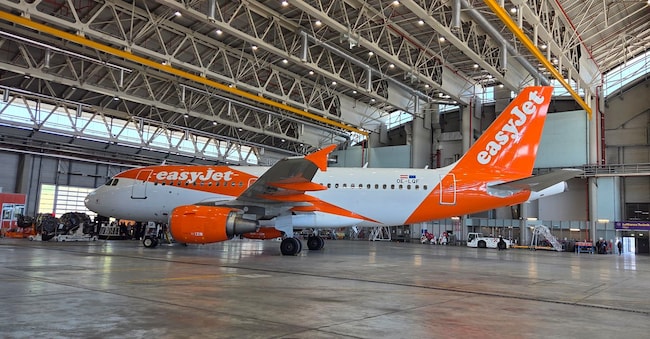
Amid the battle between the US funds Castlelake and Apollo Global Management for control of easyJet, the European Union is preparing to tighten the rules governing ownership of EU airlines. Brussels is in fact working on a review of the legislation aimed at preventing non-EU investors from acquiring effective control of European airlines, thereby strengthening the protection of the sector’s strategic autonomy.
The move, reported in advance by Reuters, risks complicating the bids submitted by the two US funds for the British company. Neither proposal, in fact, has yet clarified how the ownership issue would be resolved, given that current regulations require that control of EU airlines remain in the hands of European entities.
According to reports, the aim of the regulatory review is to ‘safeguard the strategic autonomy’ of the EU, ensuring that control of regional airlines remains within the bloc. The legislative process, however, looks set to take a long time. This point was also highlighted by easyJet’s CEO, Kenton Jarvis, who, during a conference call with analysts following the presentation of the third-quarter results, said he expected to contact the EU regulatory authorities regarding ownership rules as soon as the British airline had a formal offer from one of its potential buyers. However, any regulatory intervention would require a lengthy approval process.
Meanwhile, easyJet remains at the centre of the bidding war between the two private equity firms. Castlelake had submitted its first bid last May, seeing four proposals rejected before securing approval in principle for its fifth, valued at 690 pence per share. Apollo Global Management subsequently entered the fray with a higher bid of 715 pence per share, which received the backing of the company’s board of directors. It remains to be seen whether Castlelake will decide to raise its bid further or to withdraw before the deadline on 3 August.
Rumours of a possible European crackdown had an immediate impact on the share price. Following the sharp rally seen in recent months on the back of takeover expectations, easyJet shares fell by as much as 15 per cent in the trading session following the news reported by Reuters, before recovering some ground, rising by around 5 per cent in subsequent trading. The rebound was driven by the market’s belief that any new regulations would not be retroactive and were unlikely to come into force before the completion of one of the two deals.


