
The EU raises the tone. Costa: no American interference in European politics
The President of the European Council replies to Washington's criticism, confirming the change of attitude of EU governments. Meanwhile, the green light is given to the European Defence Programme EoP and Brussels accelerates negotiations on the use of frozen Russian assets
from our correspondent Beda Romano
 Aggiungi Il Sole 24 Ore
ai preferiti su Google
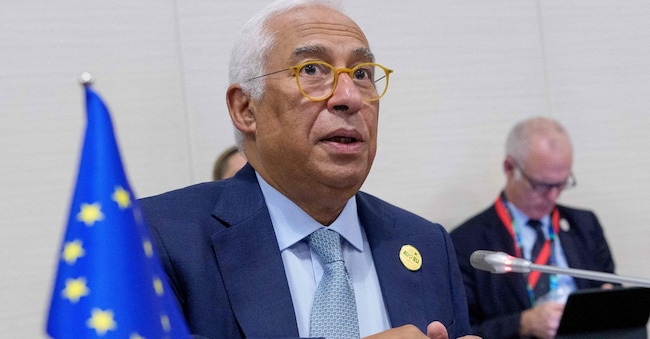
BRUSSELS - European rhetoric towards the Trump administration has taken a new leap forward. The publication in Washington of a new National Security Strategy, highly critical of the EU and its governments, provoked a lively reaction from some EU leaders yesterday. The new transatlantic tensions come as the Twenty-Seven are negotiating the use of Russian assets to support Ukraine in its war against Russia.
Speaking in Paris, European Council President António Costa had harsh words for the White House: 'We cannot accept the threat of interference in European political life. The United States cannot replace the European citizens in the choice of good and bad parties'. Meanwhile, from Berlin, a government spokesman noted: 'We consider the attacks more an ideology than a strategy'.
In the document released Thursday night, the Trump administration targets Europe and in particular European institutions 'undermining political freedom and sovereignty', as well as migration policies, 'censorship of freedom of expression and repression of political opposition, plummeting birth rates, and loss of national identities and self-reliance'.
President Costa, who then welcomed Ukrainian President Volodymyr Zelensky to dinner in Brussels, remarked: 'Many people are giving priority to trying to undermine Europe, so much so that I ask myself: if Europe is not strong, why are so many people trying to undermine it? The truth is that we are strong'. That said, 'if we want to protect ourselves not only from our adversaries, but also from the allies who challenge us, we must strengthen Europe'.
The gaze of the President of the European Council ran to the urgent completion of the single market, also in the financial field, an objective that becomes an economic driver and a political guarantee at this historic stage. Indeed, a more competitive economy would strengthen the European welfare state as well as, ultimately, the political weight of the Union.


