
EU: State aid of up to 70% for transport, agriculture and fisheries
The Commission presents the new framework to respond to an energy shock that President Von der Leyen quantifies at 500 million per day. The risk, with continuous ad hoc interventions, is to create distortions in the single market, offering more room for manoeuvre to countries with accounts in order
from our correspondent Beda Romano
 Aggiungi Il Sole 24 Ore
ai preferiti su Google
BRUSSELS - After the pandemic and the Russian invasion of Ukraine, the energy shock caused by the US and Israeli war against Iran is forcing the European Commission to launch new flexibility measures in the use of state aid. The sectors hardest hit by the economic crisis will be able to enjoy subsidies for the purchase of fuel and fertilisers. The new framework raises the question whether continued ad hoc interventions are not undermining the integrity of the single market.
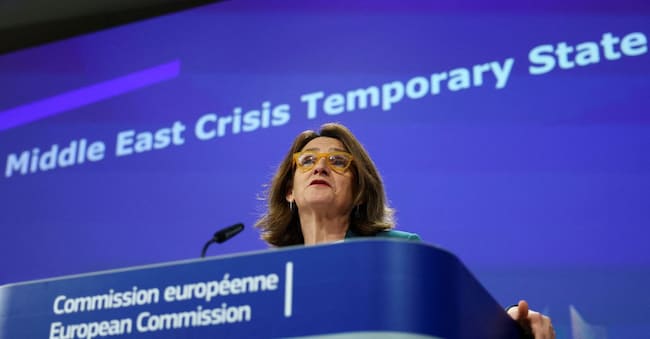
Competition Commissioner Teresa Ribera explained yesterday: "Energy transition remains the most effective strategy to ensure Europe's independence, growth and strength. However, the recent spikes in energy prices call for an immediate response. The proposed measures offer easy-to-implement solutions that will support the development of the EU's key sectors, such as agriculture, fisheries and transport, while mitigating the effects of the crisis".
State aid to these sectors will be able to take various forms, the European Commission specified. For the agriculture, fisheries, land transport and short sea shipping sectors within the EU, Member States will be able to compensate up to 70% of the additional costs incurred by beneficiaries due to the increase in fuel and fertiliser prices caused by the crisis.
For these sectors, a simplified option will allow Member States to determine the amount of individual aid on the basis of elements such as the size and type of activities of beneficiaries, a general estimate of fuel consumption in the sector or other relevant indicators, rather than requiring beneficiaries to provide detailed evidence of their actual
consumption. Under this option, each beneficiary may receive up to EUR 50,000.


