
Tariffs, EU steel: one million tonnes at risk. Agri-food penalised
In 2024, Eurofer calculates, with tariffs at 2.5 per cent, the EU had exported about 760,000 vehicles to the US, corresponding to about 1 million tonnes of steel of which it estimates a 'significant part' could disappear. Maretti (Legacoop Agroalimentare): more negotiations needed

3' min read
3' min read
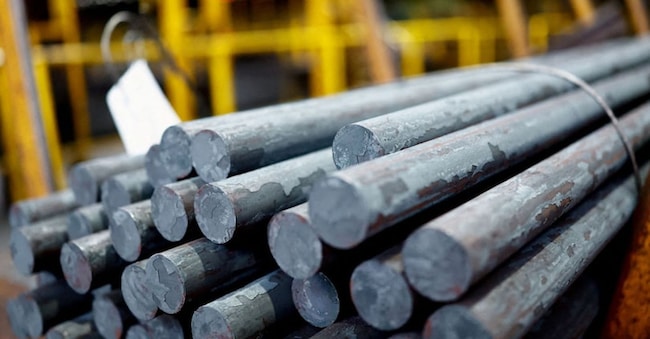
A 'significant part' of about 1 million tonnes of EU steel could already disappear due to the current 15% US tariffs on EU vehicles and without even considering the 50% US tariffs on the industry.
This is the alarm of the European steel industry Eurofer, which points out that uncertainty for European steel remains high. In 2024, Eurofer calculates, with tariffs at 2.5%, the EU had exported about 760,000 vehicles to the US, corresponding precisely to about 1 million tonnes of steel, of which it estimates a "significant part" could disappear.
Maretti (Legacoop Agroalimentare): many products in the sector penalised, further negotiations needed
As far as the agri-food sector is concerned, Cristian Maretti, president of Legacoop Agroalimentare, is alarmed: 'We are dissatisfied, for agri-food in general, and for wine, pecorino cheese and olive oil in particular'. Maretti says he is deeply concerned 'about the absence of wine and pecorino among the European products excluded from the 15% tariffs provided for in the Joint Declaration between the European Union and the United States'. "There are sectors, such as wine and olive oil, that remain penalised, despite their value. On the other hand, the reduction of tariffs on pasta and hard cheeses, such as Grana Padano and Parmigiano Reggiano, which go back down from 25% to 15%, should be noted'. Maretti continues to hope that 'Council President Giorgia Meloni and the European negotiators will continue to work to improve the situation in the agri-food sector.
The comment by the president of Legacoop Agroalimentare picks up the thread of what he said in July after the Trump-von der Leyen meeting. 'The 15% figure can only see us dissatisfied. The attitude that a historical ally like the United States has held in this negotiation with the EU is not compatible with the feelings of friendship that have characterised the 80 years after the Second World War'. For Maretti, 'the subject of tariffs is not just an "accounting" issue, and the depreciation of the dollar in recent months, which has created uncertainty and thus serious problems for our exports, must above all be taken into account,' Maretti continued.
Strong declines in wine in the US where citizens' claims for subsidies are increasing. Wine is the sector that pays the most. "Since the beginning of the year, there have been sharp drops in demand for wine in the US: -8.7% in volume and -8.5% in turnover. Tariffs and the climate of uncertainty are also having negative repercussions on American consumers themselves," Maretti continued, recalling that "the news that unemployment benefit claims in the US are rising more than expected has just just come in: data as at 16 August show that they amounted to 235 thousand units, up from 224 thousand the previous week, and compared to the 226 thousand units expected. A picture, in general, not easy. For this reason, 'I still hope that better results can be achieved soon, up to a complete elimination of tariffs,' Maretti concludes.

