
EU, measures against energy shock on the table of the 27 in Cyprus
Commission focuses on coordination and proposes dedicated transport fuel observatory In May, changes to electricity taxation legislation Pooled reserves and more flexible state aid: the EU plan on the eve of the summit
from our correspondent Beda Romano
 Aggiungi Il Sole 24 Ore
ai preferiti su Google
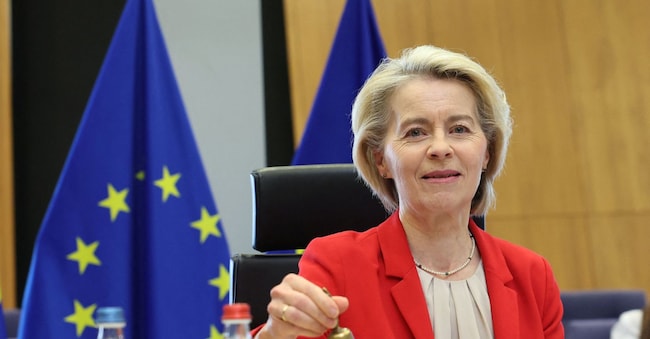
BRUSSELS - As with the pandemic, the European Commission believes that a quantum leap in coordination between member states is needed to better cope with the energy shock caused by the war in the Middle East. In an eagerly awaited communication published on 22 April, the EU executive put the emphasis on gas, oil and paraffin supplies. Legislative changes to the texts regulating, among other things, fuel stocks in Europe are not excluded.
"Today's choices will enable us to better face today's challenges and tomorrow's crises," said European Commission President Ursula von der Leyen in a statement. "The AccelerateEU strategy will offer immediate and structural remedies for consumers and businesses. At the same time, we need to accelerate the shift towards clean energy to benefit from energy independence and security, and better weather geopolitical storms."
Since the conflict in the Middle East began, the value of oil and gas imports has risen by EUR 24 billion. Simplifying, the package presented yesterday includes immediate, short-term measures - i.e. reducing consumption and helping consumers - as well as longer-term actions, including new investments in energy transition. In May, Brussels will present changes to the legislation regulating taxation in the electricity sector.
The European Commission intends to set up an observatory dedicated to transport fuel, which is at risk of shortage should the war in the Gulf continue. The aim will be to map national needs and reserves. On the subject of paraffin, also in May, the EU executive intends to present proposals "to optimise the distribution between member countries so as to ensure the availability of fuel across Europe and at all airports".
In fact, it would be a matter of pooling national reserves. The terrain is slippery, but the measure would, if it materialised, represent further progress in EU integration. At the same time, Brussels intends to revise the European rules on strategic reserves. The Commission will also issue guidelines to clarify the elements of flexibility in European legislation regarding flight and supply management.


