
Ukraine, Russian attack knocks out all thermal power plants
EU visa clampdown on Russians: the move infuriates Moscow

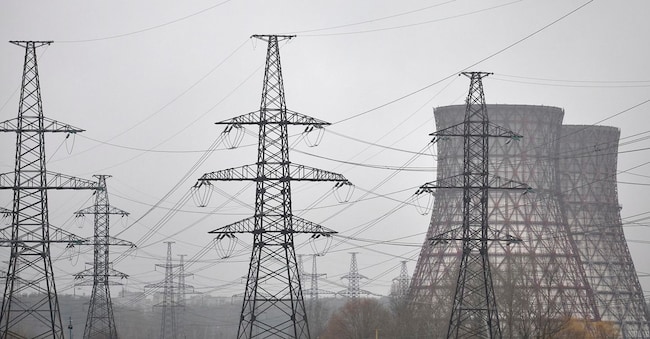
The Ukrainian state-owned company Centrenergo has announced that all its thermal power plants in the country have stopped producing electricity following a massive overnight attack by Russia, described by the company as 'the most massive since the beginning of the invasion'. The affected power plants are those in Vuglehirska (Donetsk), Trypilska (Kiev) and Zmiivska (Kharkiv). Centrenergo emphasised that these are civil facilities and that 'power production is currently at zero', after the damage already suffered in 2024. Despite the severity of the damage, the company promised to continue to 'rebuild, repair and implement a new generation' of facilities, ensuring that Ukrainians will continue to have light and heat.
EU visa restrictions for Russians
'Travelling in the EU is a privilege, not an acquired right'. The diplomatic and economic war between Europe and Russia, in the wake of the tensions triggered by the mysterious drones over several stopovers on the continent, is enriched by a new chapter: the restricted entry visas for Russian citizens.
The move had been in the air for weeks and was made official by the High Representative Kaja Kallas. "It is difficult to justify the start of a war and expect to be able to move freely in Europe," the former Estonian premier emphasised. Predictable and immediate came Moscow's reaction. "The EU prefers Ukrainian defectors and illegal migrants to Russian tourists with spending power," thundered Foreign Ministry spokeswoman Maria Zakharova. There is some truth in the words of the Kremlin 'tsarina'. The tourist flows of Russians, although significantly reduced since the beginning of the war in Ukraine, have never stopped, especially in the Mediterranean countries. This is also why the EU had so far avoided a clampdown, concentrating rather on lengthening the blacklist of personae non gratae in Europe.
What accelerated the decision, however, was above all the drone alarm in European skies. Sightings, in recent days, have intensified. Belgium, in primis, has been targeted. The suspicion is that Moscow's little hand is behind it. Or rather, of Russians who set off the aircraft from within the EU countries. "The attribution of the origin of these drones is a matter for the member states" but "it is clear that this is a hybrid war and Europe is at risk," stressed a Commission spokesperson. The crackdown on visas will focus on multiple visas, which allow entry to and exit from the Schengen area several times in the same period of time. It will concern Russian citizens residing in Russia and applying for a visa at a consulate of an EU country in Russia. It will therefore not apply to citizens of other countries residing in Russia (unless they also have a Russian passport). The multiple-entry visa will be granted to two very specific categories of persons: close family members of EU citizens or Russians legally residing in the EU, who can obtain a multiple-entry visa valid for one year, but only if they have already obtained and regularly used three visas in the last two years, and transport workers.
The clampdown, by decision of the individual member states, does not apply to dissidents, human rights defenders or journalists, thus avoiding that boomerang effect about which even Yulia Navalnaya , widow of Vladimir Putin'sAlexei Navalny opponent, had warned Europe. In Brussels, it will be days of fire on the Ukrainian front. Belgium has immediately announced measures against future drone incursions (which can be shot down) and will also draw on military support from Germany. The pressure is also on Belgium to get the go-ahead for the use of Russian assets for repair loans to Kiev.

