Climate change

EU crackdown on methane emissions: Germany joins the chorus of opposition, but the Commission presses ahead

Berlin supports the initiative by 12 countries, including Italia, which are calling for a suspension of the rules on atmospheric emissions linked to fossil fuel imports. Methane has a global warming potential around eighty times greater than that of carbon dioxide

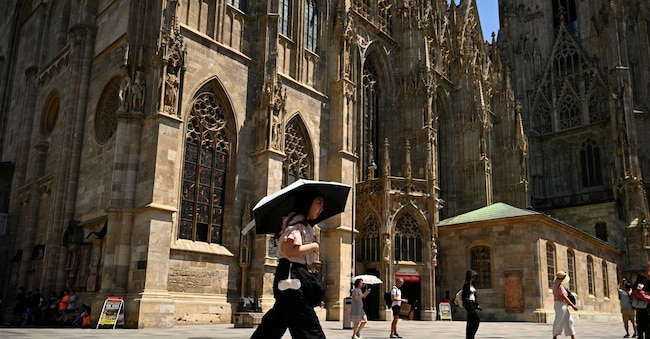
Una persona con un ombrello per ripararsi dal sole, davanti alla Cattedrale di Santo Stefano a Vienna (REUTERS) REUTERS

3' min read

Translated by AI
Versione italiana

3' min read

Translated by AI
Versione italiana

In the midst of the second heatwave since May, amid record temperatures, deaths, heatwave warnings, and yellow and red alerts, production stoppages and power cuts, a group of EU Member States, including Italia, has proposed postponing the regulations limiting methane emissions by three years.

Italia on the ‘No’ side

The initiative began with a letter signed by 12 governments, joined by the German government, which did not sign the document but supports its objective. The energy ministers discussed it on Friday 26th.

Loading...

The regulations in question come into force next year: the EU will require the monitoring and verification of methane emissions from imported oil and gas as well, with a view to reducing emissions. Suspending these measures could lead to legal disputes, precisely because the legislation has already been in force since 2024 for domestic fossil fuel production.

There is, however, strong opposition from certain sectors of industry and suppliers, including Qatar and the United States – the latter now staunch opponents of any action to combat global warming, wherever it may be attempted. The argument – or the threat – is that EU legislation will hamper the supply of fossil fuels, precisely at a time when the Hormuz crisis has triggered an energy shock (though, following the truce between the United States and Iran, prices have returned to pre-crisis levels) and supplies of aviation fuel are under pressure. Importers are reportedly reluctant to enter into contractual agreements that breach EU rules. This objection echoes those previously raised against other climate regulations – which were subsequently watered down – such as environmental due diligence on supply chains.

According to the German Minister for the Economy, Katherina Reiche, ‘as things stand, the methane regulation would prevent imports of liquefied gas and petroleum products into Germany’.

The Commission defends the lockdown

Some energy sector analysts and environmental groups have contested these arguments, maintaining that sufficient supplies are available that meet the requirements of the legislation. The Energy Commissioner, Dan Jorgensen, speaking at a press conference following the Energy Council meeting, stated that the Commission is willing to facilitate the implementation of the rules, but added that the legislation is already sufficiently flexible and that the Commission does not intend to amend it, not least because this would only increase market uncertainty. “We remain firm in our position that we do not wish to reopen the legislation; we believe it is extremely important for our transition to a clean economy in Europe,” said the Commissioner.

80 times worse than CO2

Once released into the atmosphere, methane has a global warming potential approximately eighty times greater than that of carbon dioxide. However, it has a much shorter average lifespan (dissipation time), of around 12 years. CO₂ has an extremely complex cycle and causes changes over centuries and millennia. For this reason, reducing methane emissions can slow the rise in temperatures within a relatively short timeframe, unlike what can be achieved with CO₂ (carbon dioxide released today will cause damage over the centuries, which is why it is important to reduce it to zero if we are to do anything to combat climate change).

Heatwaves, such as the one we are currently experiencing, are becoming more frequent, more intense and longer-lasting as a result of climate change. According to a recent study by researchers at ClimaMeter, an international consortium of scientists, compared with those that occurred in the second half of the last century, current heatwaves produce temperatures that are 2–4 degrees centigrade higher. Europe is also the continent that is warming the fastest, at twice the global average rate.

Copyright reserved ©
Loading...

Brand connect

Loading...

Newsletter

Notizie e approfondimenti sugli avvenimenti politici, economici e finanziari.

Iscriviti