
Tobacco: EU set to tighten restrictions on foreign purchases and introduce new excise duties, but Italia granted more time
The Irish EU Presidency is proposing an initial minimum tax of 10 per cent of the price or 30 euros per kilo, to be gradually increased to 50 per cent or 50 euros per kilo from 2032

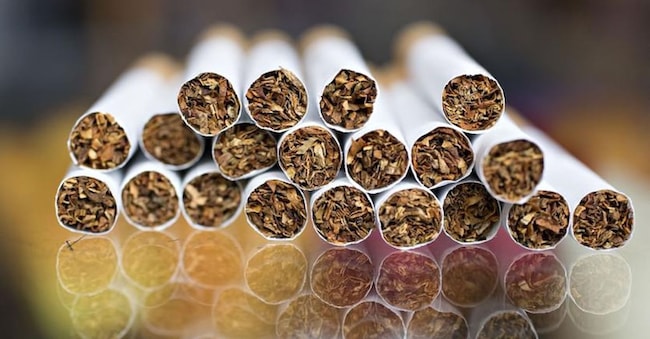
One carton of cigarettes instead of four as the reference threshold for purchases between EU countries, higher minimum excise duties on cigarettes and tobacco, and new taxes on nicotine-based products. But also more time to comply with the new rules, until 2036 for ten countries, including Italia.
These are the main points of the latest compromise proposal from the Irish EU Presidency, set out in the texts sent to the delegations yesterday and seen by ANSA.
Dublin is thus attempting to break the deadlock on tobacco tax reform at the Ecofin meeting on Monday 9 November.
The main political obstacle remains the taxation of tobacco-free nicotine pouches, which are very widespread in Sweden.
Dublin is proposing an initial minimum tax of 10 per cent of the price or 30 euros per kilo, to be gradually increased to 50 per cent or 50 euros per kilo from 2032. However, the final level will have to be agreed directly by the ministers.

