
Trade, MEPs give conditional yes to EU-US deal
Some significant safeguards are foreseen: the reduction of European tariffs is conditional on Washington respecting its commitment not to exceed the 15% tariff ceiling, concessions will expire on 31 March 2028 in an attempt to keep pressure on the US authorities
from our correspondent Beda Romano
 Aggiungi Il Sole 24 Ore
ai preferiti su Google
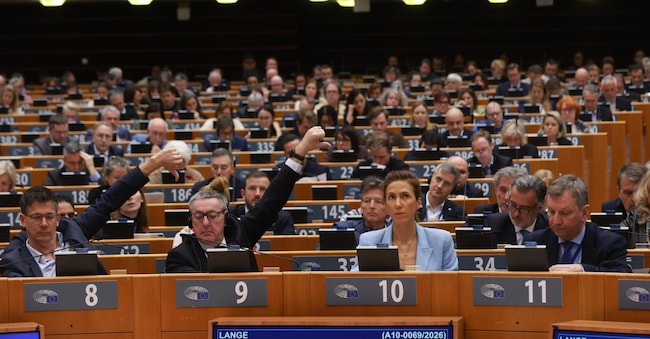
BRUSSELS - After weeks of uncertainty, the European Parliament has approved its negotiating position on the two EU regulations that are to be used to implement the economic agreement that Washington and Brussels signed last summer. Some significant safeguards were introduced into the texts, confirming the growing distrust of the American counterpart. The two regulations will now be the subject of negotiations between the Council and Parliament.
The approval in plenary came with 417 votes in favour, 154 against and 71 abstentions. During the negotiations in committee, MEPs wanted to include safeguards in case the US does not respect the agreement, which foresees tariffs of a maximum of 15 per cent on the American side, while the European side is called upon to abolish many tariffs to meet President Donald Trump's pressing demand to restore the US trade deficit.
The safeguard measures provide, among other things, a suspension clause in the event of American non-compliance with the pacts. The approval process for the two regulations was tortuous because earlier this year American aims on Greenland prompted the Parliament to suspend the procedure. Trade Commissioner Maroš Šefčovič called yesterday's vote a 'crucial step' in the attempt to offer stability to the European business community.
As mentioned, it is now the turn of the negotiations with the Council, which should start on 13 April. In their negotiating position, the member states opted for a less combative attitude, with more limited safeguards. In the debate preceding the vote, many parliamentarians argued that the trade agreement is unbalanced, as the EU is required to lower most import tariffs while the US maintains a general 15% rate.
Bernd Lange, the German Socialist chairman of the parliament's trade committee, questioned whether the agreement between Brussels and Washington could be called a real deal. For her part, Belgian Socialist Kathleen Van Brempt called the deal bad: 'We will not be intimidated, we will not be forced to accept an unfavourable agreement, and today we show the citizens that this European Parliament defends their interests'.


