
Euro 5 diesel cars: the Chamber of Deputies gives the green light to the decree postponing the ban in the Po Valley – what’s changing
The measure postpones the entry into force of the structural restrictions on the movement of Euro 5 diesel vehicles until 1 October 2027. The measure applies to Piedmont, Lombardy, Emilia-Romagna and Veneto

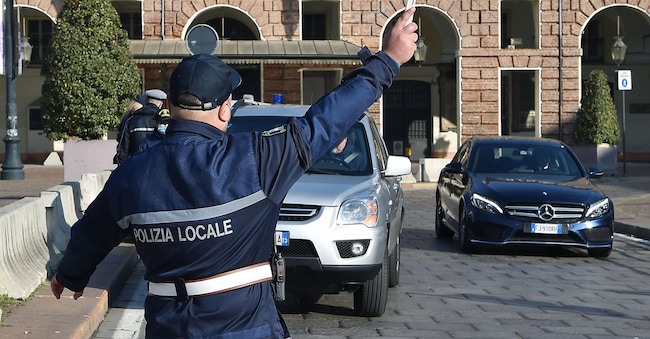
The Chamber of Deputies has given the green light to the decree postponing the entry into force of structural restrictions on the circulation of Euro 5 diesel vehicles from 1 October 2026 to 1 October 2027. On 28 September, the government had introduced a decree-law to postpone the imminent implementation of the bans, which apply solely to the regions of the Po Valley, namely Piedmont, Lombardy, Emilia-Romagna and Veneto. The process of converting the measure into law will now continue in the Senate.
What’s new
The decree exempts the four regions of the Po Valley from the obligation to include, in their air quality plans, a ban on the circulation of Euro 5 diesel cars with effect from 1 October 2026. Nevertheless, the regions are still given the option to introduce the planned restrictions ahead of schedule or to implement alternative compensatory measures to the permanent ban, provided that they ensure equivalent results in terms of reducing pollutants and are consistent with European obligations.
This is not the first time that the deadline set for the entry into force of the traffic restriction measures has been postponed. Initially, a decree from 2023 had stipulated that the restrictions were to come into force on 1 October 2025. However, a decree-law of 2025 had postponed the deadline to 1 October of the following year. What the Chamber of Deputies has given the green light to today, therefore, is the second postponement of the deadline within a three-year period.
The vehicles concerned
The driving ban, which will come into force in October 2027, applies to Euro 5 diesel vehicles – that is, those registered roughly between 2011 and 2015, the year in which the Euro 6 standard became mandatory. These are vehicles which, whilst subject to stricter emissions requirements than previous generations, produce significantly higher levels of nitrogen oxides and particulate matter than the latest-generation vehicles. Car emission classes refer to European standards established from 1993 onwards, which set the maximum permitted pollutant emission limits for each vehicle at the time of type-approval. These categories set progressively stricter limits for nitrogen oxides, carbon monoxide, hydrocarbons and particulate matter.
Specifically, the measure approved by the Chamber of Deputies concerns passenger cars and commercial vehicles in categories N1, N2 and N3 that run on Euro 5 diesel. Category N1 comprises vehicles intended for the carriage of goods with a maximum mass not exceeding 3.5 t; category N2 comprises those with a maximum mass exceeding 3.5 t but not exceeding 12 t; and, finally, category N3 comprises those with a maximum mass exceeding 12 t.

