
Euro2032 stadiums, from barriers to cameras: measures on the way (but only for a few facilities)
Coming soon 'technical standards' for certain stadiums 'in order to ensure the conformity of Italian venues designated to host the UEFA Euro 2032 European Football Championship'
by Lorenzo Pace
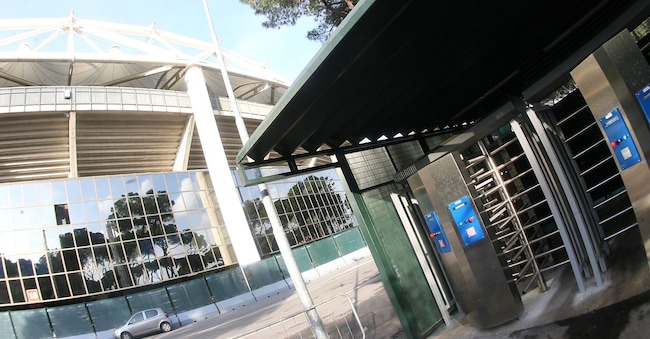
From the increase in security cameras to control the turnstiles to the modular barriers within the sectors that can be raised or lowered according to possible tensions during a match. These are two of the new 'technical standards' for stadiums developed by a decree of the Ministry of the Interior, in agreement with the Ministry of Sport, 'in order to ensure the conformity of the Italian venues designated to host the Uefa Euro 2032 European Football Championship'.
Few obligatory stages
A text that therefore represents the regulations for the facilities in view of the competition that Italy will host together with Turkey. It consists of sixteen articles, ranging from the definitions of zones in the vicinity of stadiums to fire regulations. Many of the measures present, however, have already been decided and implemented in recent years, such as the maximum capacity in the sectors, first aid spots or control rooms.
Loading...
But there is an important clarification to be made: the new interventions will only affect the candidate stadiums, which currently number more than ten and will become five in October with the delivery of the official list. Not only that, because the second paragraph of Article 1 of the decree specifies that 'newly built sports complexes and facilities are subject to these provisions'; for existing ones they will be optional, even if they are subject to renovation work (for example, the Artemio Franchi would not be obligatory).
Control room comfort
In fact, small changes are also coming for thecontrol rooms, i.e. closed-circuit television systems that allow 'observation of the spectator area and the service area attached to the stadium and its accesses'. They are foreseen in stadiums with a capacity of more than 10,000 spectators in the open air and, with the new changes, must 'be able to accommodate the members of the Gruppo operativo sicurezza (Gos) in adequate conditions of comfort, space and environmental safety'.
The premises must be "positioned in an area of the sports facility from which it is possible to have an overall, total and direct view of the sports activity area and the spectator area, i.e. to allow coverage of most of the areas indicated and to cover the remaining part with the television cameras of the closed-circuit television system". In concrete terms, therefore, the observation devices 'must be installed in such a way as to avoid camera support poles or, where this is not possible, in such a way that they do not obstruct the television cameras for technical-sports purposes and the safe conduct of sports activities'.


Brand connect
Loading...
