
Europarliament freezes trade agreement with the US
PPe group leader Weber announces the agreement between the big groups in Strasbourg to suspend the processing of two implementing regulations to abolish a series of tariffs on US industrial goods and improve access to the European market for a series of agricultural products from the US
from our correspondent Beda Romano
 Aggiungi Il Sole 24 Ore
ai preferiti su Google
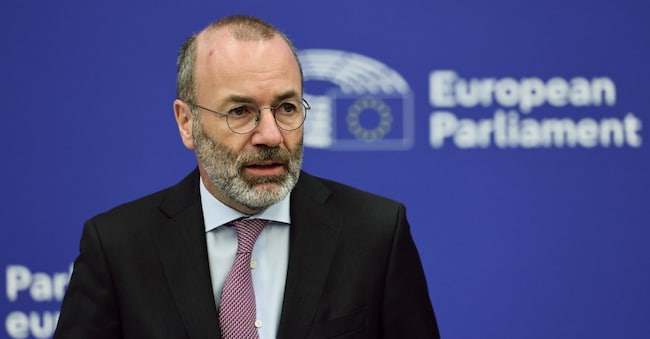
BRUSSELS - The European Union decided yesterday on a first act of retaliation against the United States, after the resounding threats of new tariffs from the Trump administration. The leader of the People's Party group in the European Parliament announced that the parliamentary assembly had decided to freeze the approval process of two regulations that are to be used to implement the economic agreement signed last summer between Washington and Brussels.
"Acting with threats on the tariffs front is completely unacceptable," explained Manfred Weber in Strasbourg, "which is why the People's Party has decided, together with the three big groups, to suspend the trade agreement" with the United States. "It is the most powerful tool we have right now, the United States will not be able to access our products at zero tariffs'. The position of the Populars, which has emerged since the weekend, joins that of the Socialists, Liberals and Greens. Together these parties enjoy a clear majority.
President Donald Trump announced over the weekend that the United States would impose a 10% tariffs on goods from eight European countries (six of them EU members) starting 1 February, a tariff that would rise to 25% in June unless an agreement is reached on the US purchase of Greenland. The President made this threat after the targeted governments declared that they would undertake military exercises in the semi-autonomous Danish territory.
The US announcement comes while the painful economic agreement that Washington and Brussels reached last summer is still at stake after the White House unilaterally decided to adopt tariffs on European products on that occasion as well. According to the understanding, the US can impose tariffs of up to 15% on most products from the EU. They also obtain a political commitment to an increase in US purchases of liquefied gas.
On the opposite side, the EU committed to abolish a series of tariffs on industrial goods and to improve access to the European market for a series of agricultural products from the United States. To put this understanding into practice in Europe, the EU executive presented two draft regulations at the time, which in fact contain a list of American products with their respective European tariffs. Both texts are subject to co-decision legislative approval.


