
European textile-fashion against ultra fast fashion: joint demand for tariffs above EUR 150

3' min read
3' min read
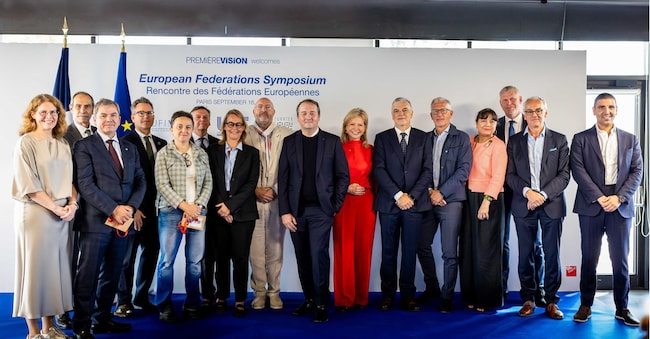
The topic is extremely topical, after the recent cancellation of the "de minimis" by the Trump administration to hit platforms such as Shein and Temu, and after the French bill against fast fashion (later transformed into "anti ultra fast fashion") which, after having received the OK from the Chamber and Senate, should conclude its process this autumn, subject to approval by the EU Commission. The fight against ultra fast fashion - very low-cost fashion, generally made in China, purchased exclusively online - today became the subject of a joint declaration signed in Paris, on the occasion of the Première Vision fabric fair, by several European textile and fashion industry associations, including Confindustria Moda.
The statement calls for immediate action by the European Union and its member states, including reform of the European Customs Code and the elimination of tariffs exemption for goods under EUR 150 (which was the subject of a recommendation by the European Commission at the beginning of 2025); the introduction of tariffs on small parcels to finance more effective customs controls; the recovery of VAT on ultra-fast-fashion shipments; the obligation for e-commerce platforms to have a legal representative in the EU, responsible on an equal footing with European companies; the use of the Digital Services Act and the Digital Markets Act to sanction unfair practices. Added to this is the call for the initiation of a dialogue with the Chinese authorities on combating production models contrary to shared environmental goals. One part of the declaration is addressed directly to consumers: the associations ask them to "favour sustainable products and support companies and brands committed to a responsible transition of the textile and clothing sector".
"With this signature, together with Euratex and the European fashion federations, we are calling for an immediate reaction for the definition of clear rules and effective controls to counter a model that jeopardises the competitiveness, employment and sustainability of our companies, supply chain and brands," commented Luca Sburlati, president of Confindustria Moda. "Italian and European fashion must continue to represent a point of reference for quality, transparency and responsibility, offering a concrete alternative to ultra-fast fashion, characterised by often unsustainable models and devastating environmental impacts. In this challenge, I am convinced that the role of commerce and consumers is also fundamental. They must be informed in a correct and transparent way, firmly opposing distortions and false communication phenomena spread on social networks. Every day millions of parcels enter Italy without paying tariffs, without customs controls, and without checks on compliance with environmental regulations and production requirements. In the first six months of the year alone, in the textile-clothing sector, imports from China increased by 18%, a number that speaks for itself. This is a situation that we can no longer tolerate: we need immediate and urgent choices to re-establish fair rules and protect our sector, the second largest for exports in our country'.
The impact of ultra fast fashion, in fact, is harmful on several fronts. The environmental one, first of all, with the overproduction (linked to the boom in purchases of very low-cost products) that already entails and will increasingly entail the exponential increase of textile waste, recently object of the revision of the Waste Framework Directive approved in Strasbourg last week. The social one, given the working conditions applied by the suppliers of these large platforms (one of the issues that, to date, would have contributed to slowing down Shein's listing process). And, again: the competitiveness of European industry. Italian and European brands, increasingly bound by high environmental and social standards (the Ecodesign regulation will come into force in 2027), are in fact under pressure from those who are not subject to the same rules.

